

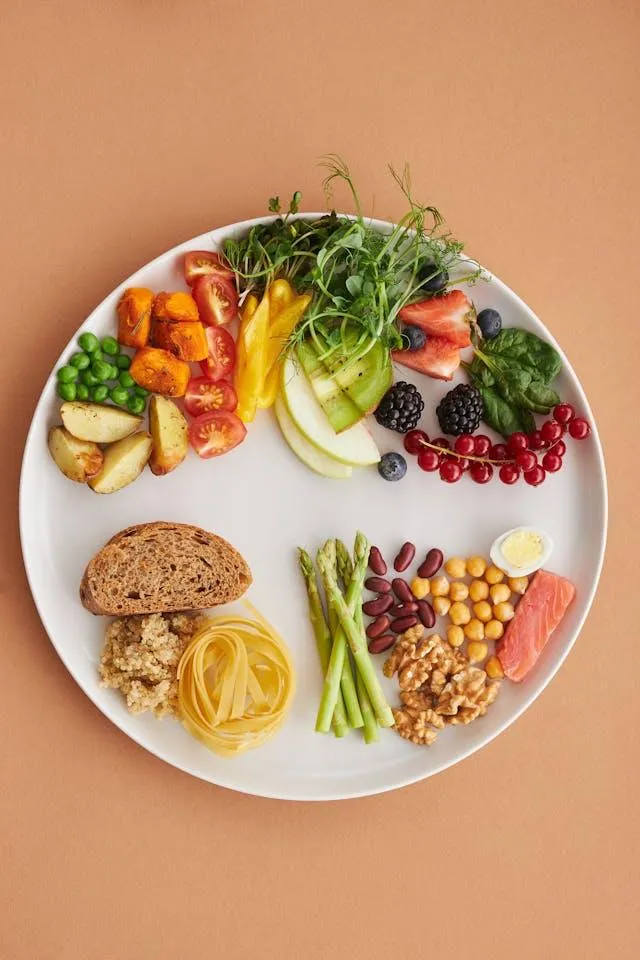
While there are no guarantees in prevention, the science is clear: incorporating whole, nutrient-dense foods into your routine can help lower your cancer risk and improve overall well-being.
Image: Vanessa Loring /Pexels
Food is more than fuel. It’s comfort on a rainy day, the centrepiece of celebrations, and most importantly, a powerful force in our health.
But can what we eat truly lower our risk of cancer, one of the world’s leading causes of death?
As we celebrate World Cancer Day, observed on February 4th worldwide, this question feels more urgent than ever.
The answer is layered, nuanced and deeply personal, but one thing is clear: the choices we make daily about what’s on our plate can make a profound difference.
The intersection of food and cancer risk:
Nearly one-third of cancer-related deaths globally are linked to avoidable lifestyle factors, such as inadequate intake of fruits and vegetables and insufficient physical activity, according to Megan Pentz-Kluyts, a nutrition and dietetics consultant for CANSA and B-Well.
Studies show that a diet rich in fruits, vegetables, whole grains, nuts, and healthy fats, like olive oil, can reduce the risk of colorectal, breast, and stomach cancers.
These foods are packed with antioxidants and carotenoids, natural compounds that help neutralise the cellular damage that can lead to cancer. But knowing which foods help is only half the battle.
On World Cancer Day, take a moment to reflect on how your food choices might empower you in the battle against cancer.
Image: Tara Winstead
Foods that are anti-cancer superstars
The phrase “anti-cancer foods” might sound like a buzzword, but certain foods have been shown to significantly lower cancer risk. The key is to focus on whole, minimally processed foods that support overall health.
Here’s a closer look at some of the stars of the anti-cancer table:

Ultimately, adjusting your diet is one of the most accessible pathways to taking control of your health.
Image: Tara Winstead/pexels
Everyday foods that increase cancer risk
While some foods protect, others can harm. The World Health Organization (WHO) classifies processed meats and alcohol as Group 1 carcinogens, meaning there’s strong evidence linking them to cancer. Red meat, while not as conclusive, is labelled a probable carcinogen (Group 2A).
Even seemingly harmless foods such as salty fish, fried snacks, or sugary desserts can play a role in an unhealthy diet. Balance is everything.
Food isn’t the only piece of the puzzle. Maintaining a healthy weight, staying active, and avoiding tobacco and excess sugar all play a role in reducing cancer risk. And while the idea of overhauling your lifestyle can feel overwhelming, small, consistent changes are the most sustainable.
Start by aiming for a colourful plate at every meal. “Eating the rainbow” ensures a variety of antioxidants and protective compounds.
Choose organic when possible, as it minimises exposure to pesticides and other harmful chemicals. If shopping organic feels out of reach, prioritise local farmers’ markets or even consider starting a home garden.
Cooking methods matter too. Opt for simple preparations, steaming, roasting, or baking rather than frying or smothering foods in heavy sauces.
Adjusting your diet is one of the most accessible ways to take control of your health. While there are no guarantees, the science is clear: incorporating whole, nutrient-dense foods into your routine can help lower your cancer risk and improve overall well-being.