

Safety vs. convenience as British drivers are at odds with future car tech.
Image: File
British motorists are increasingly divided over the technology inside their vehicles, according to new research that suggests a growing friction between driver preferences and looming safety regulations. A study of 2,000 drivers by Scrap Car Comparison has found that while motorists are quick to praise convenience-based tools, they are becoming increasingly frustrated by the safety-focused features that are set to become mandatory under the UK’s potential new Road Safety Strategy.
The findings come at a pivotal moment for the UK motor industry. The government’s proposed safety strategy could soon require new vehicles to be equipped with 18 mandatory features, including intelligent speed assistance (ISA), autonomous emergency braking, and advanced distraction warnings. However, the data suggests that these life-saving interventions are exactly what many drivers love to hate.
Parking sensors have been crowned the most vital piece of in-car tech, with 45.2% of motorists naming them as a must-have feature. Built-in satellite navigation (37.3%) and Bluetooth connectivity (25.5%) followed closely behind, illustrating a clear preference for technology that makes the journey smoother and more connected.
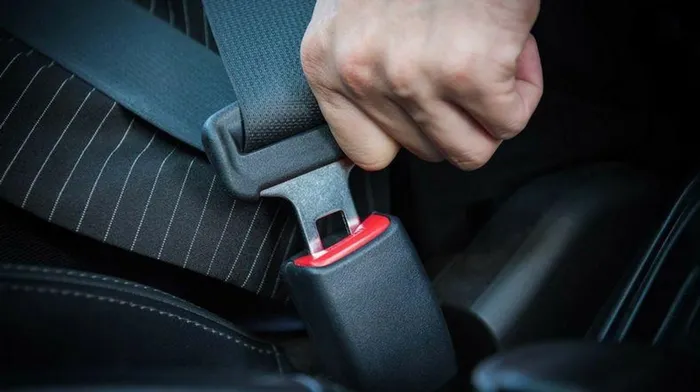
The research highlights a striking paradox: the features designed to protect occupants are often the ones drivers find most grating. Seatbelt reminders topped the list of annoyances, with 15.9% of respondents finding the persistent alerts irritating. Lane-keeping assist (14.2%) and automatic stop-start systems (13.4%)—designed to improve safety and fuel efficiency respectively—also ranked high on the frustration scale.
The findings suggest that the transition to more autonomous, safety-led driving may face a cultural hurdle. While features like smartphone mirroring and keyless entry are welcomed for their ease of use, safety alerts are frequently viewed as an intrusion into the driving experience. Interestingly, seatbelt reminders appear as both a top useful feature and the primary source of in-car irritation. This suggests that while drivers recognise the logical benefit of safety tech, the sensory execution—often involving high-pitched beeps and haptic steering feedback—remains a point of contention.
However, it is not all bad news for car manufacturers. More than a quarter of drivers (27%) reported that they do not find any modern car technology irritating, suggesting that a significant portion of the public has already embraced the high-tech evolution of the British dashboard. As the UK moves closer to formalising its new safety standards, the industry faces the challenge of proving that these digital co-pilots are a fair price to pay for a safer road network.