

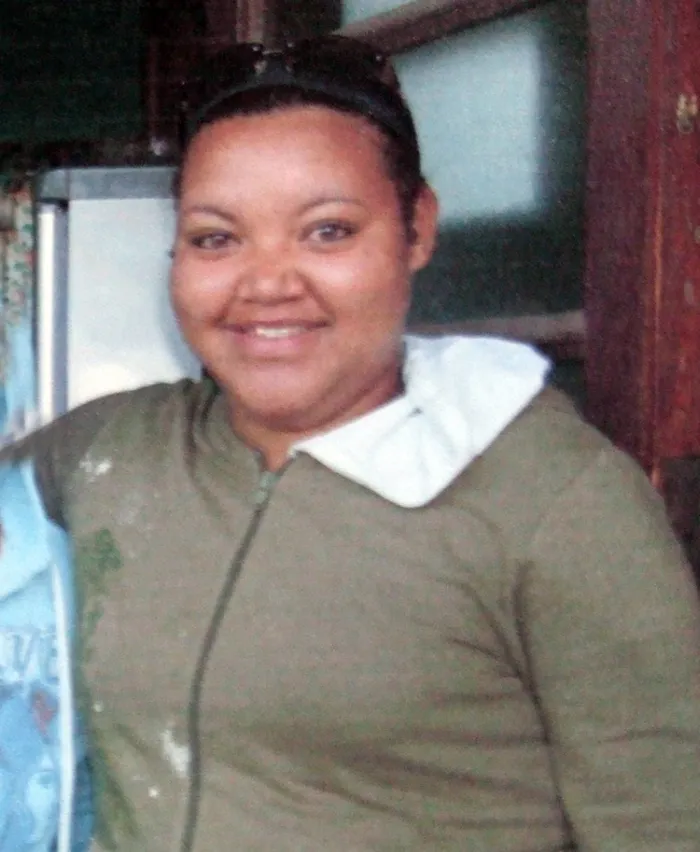
Cytheria Rex was raped and murdered in February 2009.
Image: File
In a significant move highlighting the shortcomings of South Africa’s criminal justice system, justice activist group, Action Society has escalated its long-standing concerns to the Western Cape High Court regarding the protracted sentencing process in the brutal rape and murder case of Cyntheria Rex.
The latest court proceedings saw sentencing postponed for the umpteenth time on 19 January 2026, a staggering 415 days after five men were convicted for the heinous crime that saw Rex raped and stabbed 30 times in Kraaifontein in 2009.
"Almost 17 years after the tragedy, Rex’s family continues to grapple with unending delays, their lives ensnared in a cycle of uncertainty as the men responsible for this abhorrent violence continue to evade the finality of justice," said the organisation.
"The community of Kraaifontein, where the attack unfolded, remains haunted by the brutality of the crime, an act so extreme that it should have prioritised the case within the judicial system. Instead, it has devolved into one of the longest-running murder trials in South African history."
According to records cited by Action Society, the case has faced an astounding 128 postponements since it was first placed on the trial roll in 2009, attributed to a myriad of factors including brash conduct by the accused, systemic dysfunction within the judicial framework, and various failures in legal processes. Both administrative failures and prosecutorial capacity challenges have compounded the woes, leaving the victims’ family to traverse a protracted legal ordeal.
On 30 November 2024, a glimmer of justice appeared when Virgil Sass, Oswill Grootboom, Imeraan Hendricks, Lee Cloete, and Rhonwen Rhode were found guilty of raping and murdering Rex. Yet, despite the weight of their convictions, they remain unpunished with the latest postponement pushing the sentencing date to 26 August 2026. The rationale presented for this extended delay involves appointing a magistrate in terms of Section 275 to preside over sentencing, further extending the waiting period for justice.
Action Society wrote a letter to the Judge President of the Western Cape High Court, stating serious issues related to case flow management and the prevalence of systemic delays in cases of this nature.
Juanita du Preez, national spokesperson for Action Society, stressed the urgency for change.
“This was not a minor offence or a technical matter. This was a rape followed by a savage killing. When a case involving this level of brutality is postponed more than a hundred times and still cannot reach finality almost 17 years later, the harm extends far beyond one family. It signals a systemic failure that demands judicial leadership and institutional intervention.”
While Action Society underscored its commitment to judicial independence, they vehemently called for improved oversight mechanisms, better tracking of prolonged cases, and stricter protocols on repeated postponements. They argue that an inability to expedite sentencing undermines not only the rights of the victim but also erodes public trust in the judicial system.
"The ongoing inability to conclude the sentencing process leaves Cyntheria Rex’s family devoid of closure, compounding the anguish from the initial violence they endured. Moreover, it sends a worrying message to survivors of gender-based violence that even when the legal system recognises their plight with a conviction, the long shadows of procedural inefficiency can still thwart true justice."
“Justice delayed on this scale becomes justice denied,” warned Action Society.
They passionately advocate for decisive action from judicial leaders to ensure that no family faces the burden of waiting decades for the justice system to fulfil its mandate.
"Cyntheria Rex was raped and stabbed 30 times.We recognised that the crime has secured convictions. What has failed is the system’s ability to bring the matter to a close. Her family has waited almost seventeen years. That wait has already gone on far too long,” Du Preez said.