


Sleep tourism is a rapidly growing wellness trend centered on travel designed to improve sleep quality and combat chronic fatigue, burnout and stress.
Image: Unsplash
In a world that rarely switches off, the concept of travel is evolving.
Holidays are no longer just about sightseeing or ticking destinations off a list - they are increasingly about restoration.
Enter sleep tourism, a fast-growing travel trend centred on one essential human need: quality rest.
With sleep deprivation now linked to stress, burnout and declining physical health, more travellers are prioritising destinations that promote deep, uninterrupted sleep.
According to recent projections, sleep tourism is expected to grow by 12.4% annually between 2025 and 2030, driven by a global desire to reset both mind and body.
At the heart of this trend is a simple truth: rest is no longer a luxury - it’s a necessity.
Travellers are actively seeking environments that help regulate their nervous systems, reduce stress hormones like cortisol and support natural sleep cycles.
According to neuroscientist Laura Bojarskaitė, cities that encourage better sleep share a few key characteristics.
These include access to green spaces, visible open skies, walkability, low noise and light pollution, and a sense of “cognitive spaciousness” - meaning they are easy to navigate and don’t overwhelm the brain.
In essence, the ideal sleep tourism destination doesn’t just look peaceful - it feels calming on a physiological level.
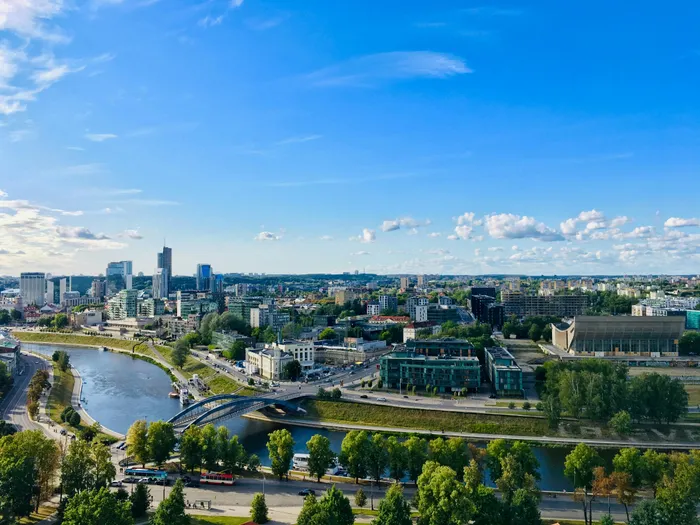
With its clean air, ample green space, and peaceful urban pace, Vilnius has earned the title of the world's most sleep-friendly city.
Image: Unsplash
Leading the global sleep tourism movement is Vilnius, recently ranked the most sleep-friendly city in the world.
The Lithuanian capital stands out for its rare combination of clean air, abundant green space, and calm urban rhythm.
With more than 60% of the city covered in greenery, Vilnius offers a deeply restorative natural environment.
Travellers can kayak along the Vilnelė River that winds through the Old Town, hike forest trails within city limits, or swim in lakes with sandy beaches - all without leaving the capital.
Its compact, walkable layout reduces cognitive stress, allowing visitors to explore UNESCO-listed streets and vibrant neighbourhoods without the overwhelm often associated with larger cities.
With cool summer nights averaging between 12–14°C and relatively low light pollution, Vilnius provides strong circadian cues - bright, energising days followed by dark, restful nights.
This natural rhythm helps regulate sleep cycles effortlessly.
The city was also recognised for its sustainability and green infrastructure and was named European Green Capital in 2025.
Topping the list of Europe’s most restful destinations is Funchal, the capital of Madeira.
Known for its subtropical climate and tranquil atmosphere, this Portuguese island city offers near-perfect conditions for restorative sleep.
With exceptionally low light pollution and minimal traffic congestion, Funchal provides a rare sense of calm that is hard to find in larger cities.
Its abundance of green spaces - from botanical gardens to scenic walking trails - naturally reduces stress levels and promotes relaxation.
Visitors can spend their days strolling along the Levadas (irrigation channels turned walking paths), breathing in fresh ocean air and unwinding in nature.
By night, the city quietens down significantly, allowing the body to transition smoothly into rest.
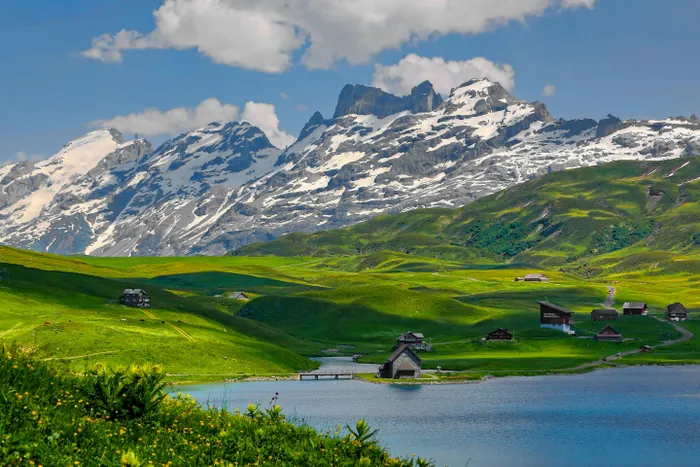
Altitude, fresh air and profound silence in The Swiss Alps combine to create one of the world’s most effective environments for deep sleep.
Image: Unsplash
For those seeking a more immersive wellness experience, the Swiss Alps offer an unparalleled escape.
Here, altitude, fresh air and profound silence combine to create one of the world’s most effective environments for deep sleep.
Luxury wellness resorts such as Six Senses Crans-Montana and Chenot Palace Weggis have developed specialised sleep programmes.
These often include sleep tracking, nutritional guidance, light therapy and spa treatments designed to reset circadian rhythms.
Beyond the science-backed offerings, the Alps deliver something equally powerful: stillness.
Car-free villages like Grindelwald and Appenzell remove the noise and chaos of daily life, allowing the mind to fully decompress.
Few destinations embrace the concept of rest quite like Iceland. With vast, untouched landscapes and long, dark winter nights, the country offers ideal conditions for uninterrupted sleep.
Remote accommodations such as Hotel Rangá are intentionally located far from urban noise and light pollution.
Combined with Iceland’s famed geothermal spas - including the iconic Blue Lagoon - travellers can fully relax both body and mind.
The Icelandic concept of “hygge” (cosiness and comfort) plays a significant role here. Think plush duvets, warm lighting and peaceful surroundings that encourage early nights and long, restorative sleep.
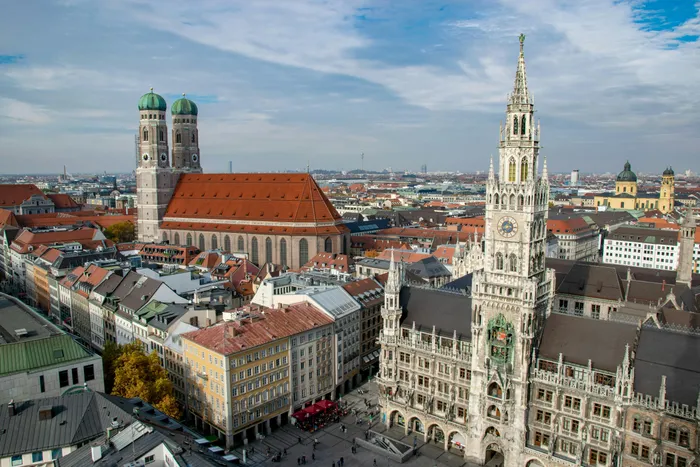
Despite being a major European hub, Munich it maintains a calm, organised, and surprisingly quiet atmosphere.
Image: Unsplash
If your idea of rest includes culture, cuisine and a slower pace of life, Parma is an excellent choice.
Recently ranked among Europe’s top sleep-friendly cities, this northern Italian gem offers low congestion, minimal light pollution and a deeply relaxed atmosphere.
Parma’s charm lies in its simplicity. Wide green spaces such as Parco Ducale invite leisurely walks, while its compact layout makes navigation effortless - reducing cognitive stress.
Nearby thermal spa towns like Salsomaggiore Terme add a wellness dimension to the experience, offering treatments that promote relaxation and improve sleep quality.
Add in world-renowned food and a gentle rhythm of life, and Parma becomes a holistic destination for rest.
For travellers who prefer a city break without sacrificing rest, Munich strikes the perfect balance.
Despite being a major European hub, it maintains a calm, organised, and surprisingly quiet atmosphere.
At the heart of the city lies the Englischer Garten - one of the largest urban parks in the world.
Here, visitors can unwind, nap under trees or enjoy gentle walks along the river.
Munich also excels in sleep-focused accommodation, with many hotels offering sound-proof rooms, high-quality bedding and wellness amenities.
Combined with easy access to the Bavarian Alps and surrounding forests, the city provides both urban comfort and natural tranquillity.
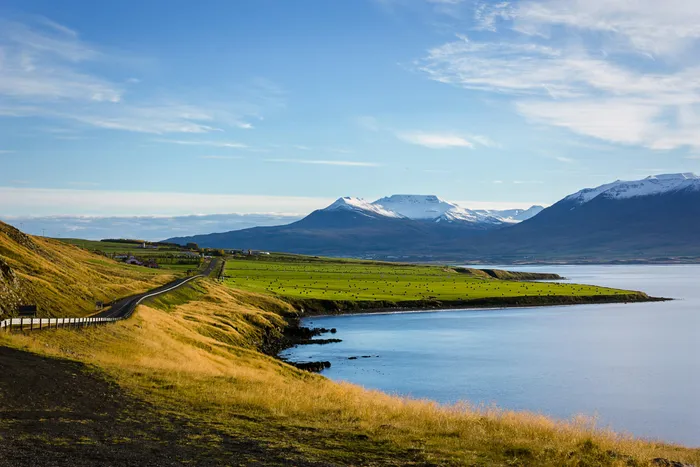
With vast, untouched landscapes and long, dark winter nights, Iceland offers ideal conditions for uninterrupted sleep.
Image: Unsplash
Across all these locations, a few consistent themes emerge:
These elements work together to support the parasympathetic nervous system - the body’s “rest and digest” state - making it easier to fall asleep and stay asleep.
Sleep tourism is more than a passing trend - it reflects a broader shift in how we define luxury.
Today, true indulgence is not just about five-star hotels or fine dining; it’s about how well a destination allows you to switch off.
As travellers become more conscious of their mental and physical well-being, destinations that prioritise calm, nature, and restorative experiences will continue to rise in popularity.
Because in the end, the most valuable souvenir you can bring home isn’t a photograph - it’s feeling fully rested.