

In 2026, the most strategic way to travel isn't just about where you go, but when. Time-Trippers can enjoy luxury destinations at a fraction of the price during the shoulder season.
Image: Pexels.
Save your rands this year by joining the Time-Tripping movement.
In 2026, the most strategic way to travel isn't just about where you go, but when.
Time-Tripping is the intentional shift of high-budget, "bucket-list" vacations into the shoulder seasons, those magic windows just before or after the peak rush.
While off-peak travel isn't new, Time-Tripping is. It's an aggressive, luxury-focused evolution: a way to hack the system for 5-star experiences at 3-star prices.
Here is how the trend is redefining luxury for travellers this year.
The Strategy: Peak experiences, off-peak timing
The modern Time-Tripper isn't looking for a cheap holiday; they are looking for maximum value.
By moving a trip just 3 - 6 weeks outside the traditional holiday window, you can secure those Michelin-starred tables and boutique villas that are usually booked a year in advance, snag 5-star suites for 20% to 50% less than peak-season rates and even enjoy better service as hotel staff and guides can provide the personalised attention.
Who is this trend for?
While anyone can plan an off-peak vacation, the trend is specifically targeted at:
1. The "flex-class" (remote workers and digital nomads)
They are at the heart of the trend, because they aren't tethered to a physical office. These travellers can move their "peak" trips by three weeks without taking extra time off.
2. Millennials and Gen Z
For younger generations who value experiences but face rising living costs, Time-Tripping is a lifestyle hack. It allows them to afford "Instagram-famous" luxury stays that would be financially impossible during the summer or winter holidays.
3. The climate-conscious travellers (Cool-cationers)
With 2024 and 2025 seeing record-breaking heatwaves in traditional summer hotspots, a new segment of travellers is fleeing the peak season for physical comfort. Real luxury is being able to walk through a city or hike a trail without the physical exhaustion of extreme heat.
4. DINKs (dual income, no kids) and empty nesters
Since these groups aren't restricted by school calendars, they are the perfect audience for Time-Tripping. They actively avoid "family season" by traveling in May or September/October, to ensure a quieter, more adult-oriented atmosphere at resorts and restaurants.
Why it’s dominating 2026?
While the financial hack is a major draw, Time-Trippers are driven by three other major factors:
Curbing overtourism: There is a growing "tourist guilt" associated with contributing to the gridlock in cities like Venice or Barcelona. Time-Trippers view themselves as responsible travellers who help distribute economic benefits to local communities year-round rather than overwhelming them in a single month.
Climate adaptability (the "cool-cation"): With summer heatwaves becoming more extreme, the "peak" of summer is actually becoming the least comfortable time to be a tourist. Time-Tripping allows for outdoor activities like hiking or city-walking in not to hot or not to cold weather.
The "authenticity" filter: In the shoulder season, the "Disney-fication" of a destination fades. Shop owners have time to chat, restaurants serve seasonal specials not available to the summer masses, and you can actually hear the sounds of the city.
Top Time-Tripping destinations this year
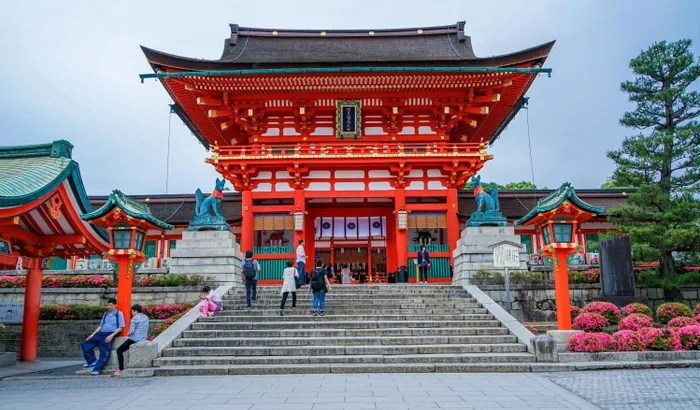
Japan (late May or October): Time-Trippers get lower hotel rates and serene temples without the Sakura crowds and stunning autumn colours.
Italy (October and November): Truffle season, no queues at the Uffizi and 40% off luxury villas.
Thailand (April and May): Lush "green season" landscapes and exclusive resort discounts.
Greece (September and October): Warm Aegean waters, empty beaches and VIP service at boutique hotels.
Botswana (May): Sublime weather and the start of the Okavango flood without peak rates.
How to execute the trend
Hyper-regional research: Don't just check the country's weather; look at the micro-climate of the specific city or island you’re visiting.
"Hushpitality" bookings: Look for hotels offering shoulder-season "wellness" or "immersion" packages that include spa credits or private tours.
Flight-first planning: Use predictive tools to find the exact "cliff" where luxury airline fares drop between seasons.