

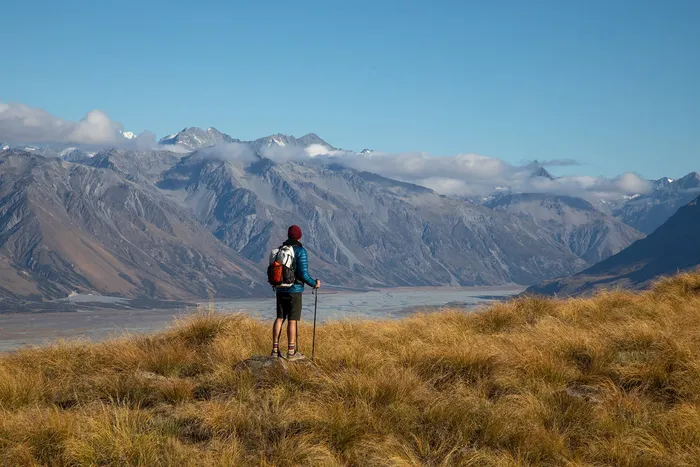
While Queenstown remains the spiritual home of the adrenaline rush, the new frontier is moving into the rugged Southern Alps.
Image: Facebook.
If you’re tired of returning from vacation feeling like you’ve done nothing but scroll through your phone in a different time zone, you aren't alone.
This year, the travel world has officially hit a tipping point: we’re ditching the "fly and flop" for a serious dose of "grit". The era of passive lounging is being overtaken by a much bolder, high-stakes evolution: the darecation.
It’s the "anti-algorithm" holiday, choosing something difficult, analogue, and slightly risky to prove you can still handle the real world.
From the peaks of the Dolomites to the shark-filled waters of South Africa, travellers are no longer asking "Where can I relax?" but rather "What am I capable of?"
To qualify as a true darecation rather than just a busy holiday, an itinerary must hit three specific markers:
The learning curve: A darecation has a "barrier to entry". You aren’t just hopping on a horse for a 20-minute trail ride; you’re joining a multi-day expedition across Iceland or learning to command a team of huskies in an actual Arctic blizzard. If there’s no "how-to" involved, it’s just sightseeing.
The analogue element: Forget high-tech gadgets and GPS. This trend favours "low-fi" skills that would make your ancestors proud. We’re talking traditional blacksmithing in Japan, navigating by the stars (celestial navigation), or mastering the art of wilderness bushcraft. It’s all about what you can do, not what your phone can do.
The element of risk: It has to push your comfort zone. Whether you're free-diving into the deep blue or steering a raft through Class 5 rapids, there has to be a real chance of "oops". That tiny bit of risk is exactly what makes the victory taste so sweet!
Why are we chasing the challenge?
Psychologists suggest this trend is a direct reaction to our increasingly "frictionless" digital lives.
In a world where AI handles our schedules and groceries are delivered to our doors, we are craving competency. A darecation provides a sense of "agency", the hard-earned knowledge that you can steer, build or survive using only your own two hands.
Who is heading the trend?
The data from 2026 travel reports shows three distinct groups leading the charge:
The "competency-starved" Gen Z: Seeking "identity-building" experiences over "aesthetic" ones. Around 74% are booking "runcations", rural, technical running breaks, to get a real-world dopamine hit.
The mid-career sabbatical seekers: Millennials and Gen X are using "micro-retirements" to escape decision fatigue. When you’re focused on not falling off a mountain, you can’t think about your inbox.
The solo adventurer: Over 70% of adventure bookings in 2026 are coming from solo travellers, particularly women, who view these trips as a radical form of self-development and self-reliance.
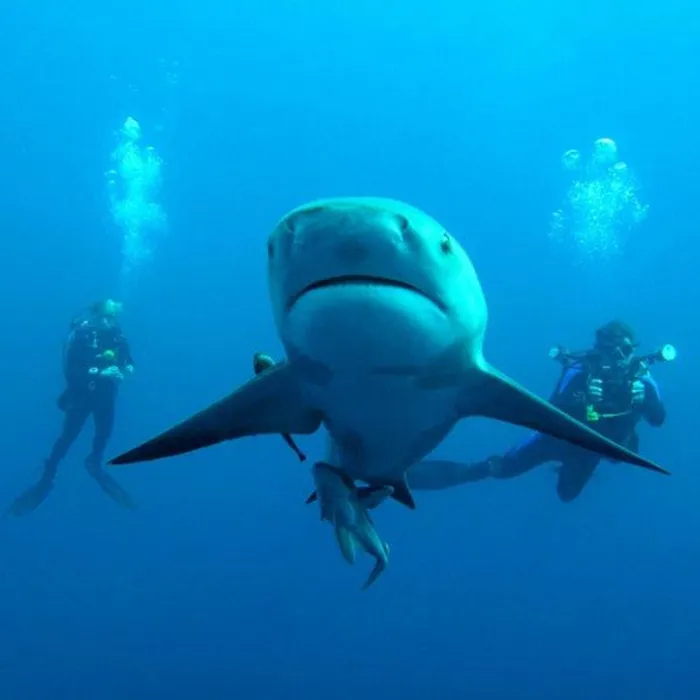
Shark diving at Protea Banks, 8km offshore from Shelly Beach, KZN.
Image: File.
Top spots where people are heading to test their limits
South Africa (KwaZulu-Natal and Gansbaai)
In Gansbaai, darecationers are trading the boardroom for the blue to come face-to-face with the ocean’s most misunderstood "CEOs".
While the legendary Great White remains the headliner, the cage diving experience here is a masterclass in marine diversity; you’re just as likely to lock eyes with a massive Bronze Whaler or the prehistoric, hauntingly cool Broadnose Sevengill shark.
Further up the coast in KwaZulu-Natal, a darecation isn't just "going for a swim", it’s a front-row seat to the greatest show on Earth.
Travellers join the hunt for the Sardine Run, tracking a massive, moving biomass of billions of sardines as they migrate north. It is a high-octane spectacle that draws in thousands of predators, from pods of dolphins and whales to diving birds and sharks, all colliding in a breathtaking, real-life feeding frenzy.
Queenstown, New Zealand
Ranked as the world’s No 1 darecation destination for 2026, Queenstown has evolved far beyond its bungee-jumping roots. While it remains the spiritual home of the adrenaline rush, the new frontier is moving into the rugged Southern Alps.
Darecationers are trading ten-second thrills for multi-day endurance tests like "fast-packing", an ultralight, high-speed wilderness running discipline, and technical canyoning through the region’s most remote, uncharted gorges.
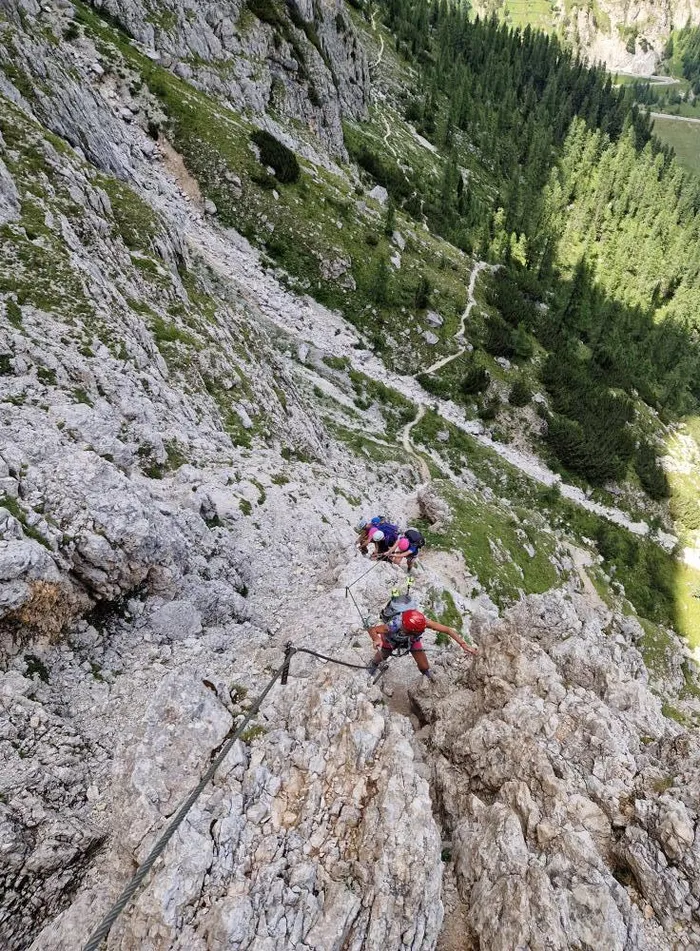
Via Ferrata in the Dolomites.
Image: Instagram.
The Dolomites, Italy
With the world's eyes on the 2026 Winter Olympics, the Dolomites have transformed into the global epicentre for high-altitude darecations. But while the athletes chase gold on the slopes, darecationers are seeking their own rewards on the Via Ferrata, the legendary "iron paths".
These aren't your average hiking trails. They are vertical climbing routes equipped with a system of steel cables, rungs, and ladders originally bolted into the rock by WWI soldiers to move troops across impossible terrain.
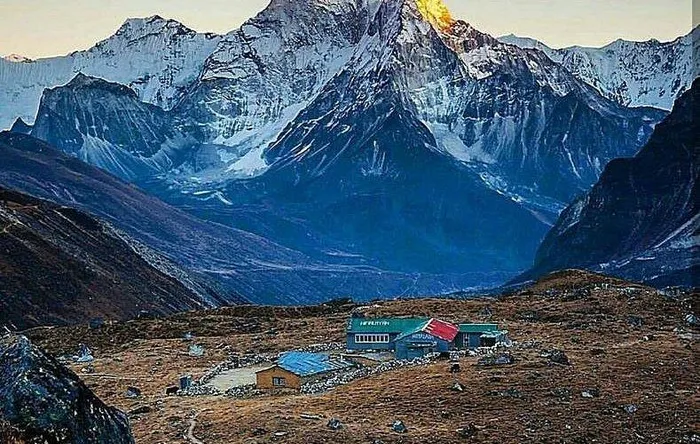
Amex Travel’s 2026 Trending Destinations report ranks the Indian Himalayas as the top pick for those craving a potent mix of "cultural depth and striking, unscripted scenery".
Image: Instagram.
The Indian Himalayas and Nepal
For those seeking a true "high-altitude sabbatical", the classic path to Everest Base Camp is no longer the final word.
The real darecationers are pushing deeper into the silence, trading crowded trails for technical, isolated peaks like Ama Dablam or the remote Manaslu Circuit.
The true hallmark of this year’s Himalayan trek is the "analogue expedition". Travellers are deliberately ditching their GPS devices for celestial navigation treks, where they learn the ancient art of steering through thin air and jagged passes using only the stars and a map.
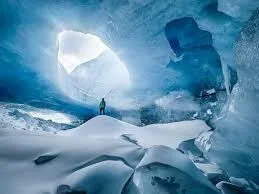
Vatnajökull in Iceland.
Image: Instagram.
Iceland
Iceland has officially graduated from a "sightseeing" stop to a high-stakes skill destination.
In 2026, the crowds taking selfies at waterfalls are being replaced by darecationers heading deep into the Vatnajökull region to master the frozen frontier.
The goal here isn't just to look at the ice, but to navigate it. Travellers are signing up for intensive glacier trekking and ice caving expeditions, where they learn to read the movements of Europe’s largest glacier and use technical gear to descend into sapphire-blue caverns.