

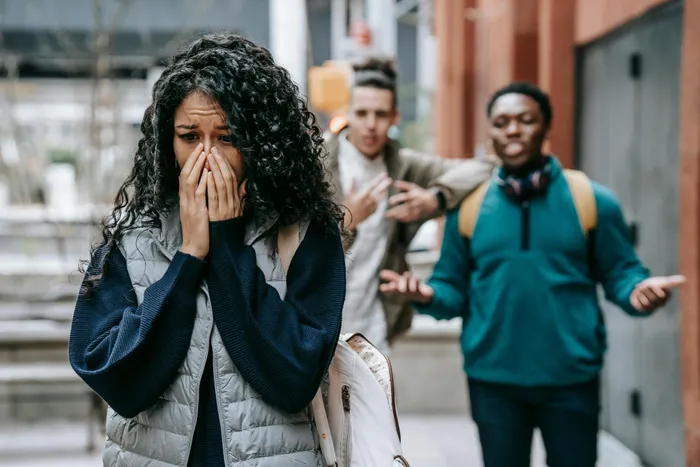
According to research, one in nine travellers admitted that choosing the wrong travel companions led to their vacation regret.
Image: Pexels.
Millions of travellers around the world dream of the perfect getaway, but new global research from travel insurance specialist Travel Guard suggests that reality often falls short.
For millions globally, the anticipation of a dream holiday is frequently met with a travel hangover of unexpected regret.
By surveying over 4600 travellers across 19 countries, the study highlights how common travel regret is, what causes it and how these experiences permanently reshape future planning.
The findings are particularly striking for South Africans, who lead the world in vacation hindsight.
An astounding 98% of South Africans regret at least one holiday they’ve taken, the highest percentage of any country surveyed.
For most, these mistakes peak during their 20s, with 60% identifying this decade as the time they took their most regretted trip.
This period is often characterised by tighter budgets and less experience, leading to choices that don’t always pan out. Furthermore, a significant financial toll accompanies these memories; nearly a fifth of South Africans (19%) estimate they wasted between R16 745.93 and R33 475.12 on trips that missed the mark.
On a global scale, travel regret is nearly universal, with 94% of all travellers admitting to at least one disappointing trip and nearly a third recalling two or more.
Family holidays are the most frequently regretted type of travel (27%), especially those taken with parents or extended family (17%), compared to trips with partners or children (10%).
The complexity of managing multiple personalities and logistics often creates more room for friction than adventure trips (16%), city breaks (11%), or solo travel (6%).
When analysing what actually causes this regret, external disruptions like delays, illness, or cancellations top the list at 17%.
However, internal factors are just as prevalent: 14% blame poor planning, while 13% say they were too stressed or overwhelmed to enjoy the destination.
Social dynamics also play a major role, as one in nine travellers admitted that choosing the wrong companions led to their regret.
Despite these frustrations, a social media mask remains prevalent: 30% of global travellers (and 33% of South Africans) admitted to posting positively about a trip they secretly regretted.
These negative experiences have a lasting impact on how the world travels today.
74% of travellers say past regret has influenced their current planning habits. Modern travellers are now more likely to prioritise planning (18%), thorough destination research (15%), and a higher standard of comfort regarding flights and accommodation (14%).
“Our research highlights how travellers around the world can sometimes wish their trips had gone differently, but it also shows that most regrets can be avoided with thoughtful planning,” said Rhonda Sloan from Travel Guard.
“Taking a break should be a chance to recharge and create lasting memories, so making a few proactive choices in advance can help ensure your experience lives up to expectations.
"While we can’t control every aspect of a trip, such as unexpected weather or occasional travel hiccups, preparing ahead by researching your destination and selecting the right accommodations can make a big difference."