

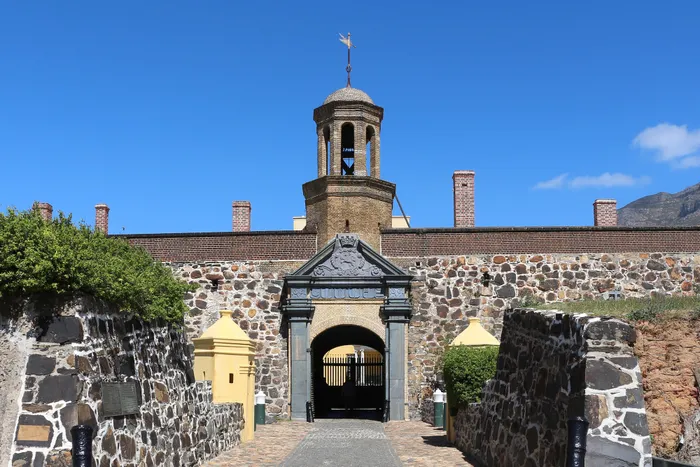
Whether you’re drawn by its layered history, its architecture, or simply the chance to wander a piece of living heritage, the Castle is a destination for both locals and international tourists.
Image: File Picture
As thousands of music lovers descend on the city for the Cape Town International Jazz Festival, there’s more to experience than just world-class performances.
Cape Town is layered with history, culture and heritage, and visitors who arrive early or stay a little longer can step into the stories that shaped the city.
From historic neighbourhoods to globally recognised heritage landmarks, here are five sites worth adding to your itinerary.
Perched on the slopes of Signal Hill, Bo-Kaap is one of Cape Town’s most recognisable neighbourhoods.
Known for its rows of brightly coloured houses and cobbled streets, the area traces its roots to formerly enslaved people who settled there centuries ago.
Originally called the Malay Quarter, Bo-Kaap holds the largest collection of pre-1850 architecture in the city and remains deeply tied to Cape Malay culture and South Africa’s Islamic heritage.
Visitors can stop at the historic Auwal Mosque, the first mosque established in South Africa, or learn more about the area’s past at the Bo-Kaap Museum.
Beyond the history, Bo-Kaap is also a culinary destination. Local eateries serve dishes influenced by Cape Malay, Indian and African flavours, making it an ideal place to explore both culture and cuisine.
Why visit: It’s one of the best places in the city to experience living heritage, from architecture and religion to food and community life.
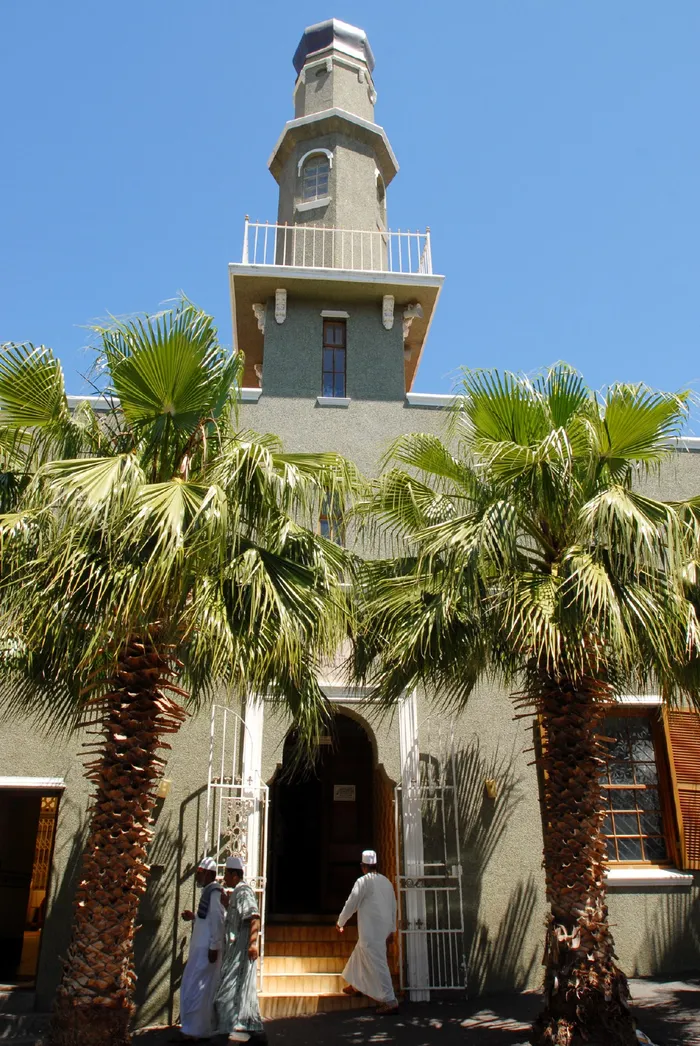
The Auwal Mosque in Dorp Street, the oldest mosque in Cape Town,dating back to 1794 and one of many mosques in the Bokaap.
Image: Sophia Stander
Standing in the heart of the city, the Castle of Good Hope is the oldest surviving colonial building in South Africa.
Built in the 17th century by the Dutch East India Company, the pentagon-shaped fortress originally served as a military stronghold and administrative centre.
Today, the castle is a major heritage attraction and home to several museums and exhibitions that explore the country’s colonial and military past.
Visitors can wander through historic courtyards, see period rooms and art collections, and explore the Castle Military Museum.
Daily ceremonial traditions such as the firing of the signal cannon and the key-turning ceremony offer a glimpse into centuries-old military customs that have been preserved over time.
Why visit: It’s a rare chance to step inside South Africa’s oldest building and learn about the early colonial history that shaped Cape Town.
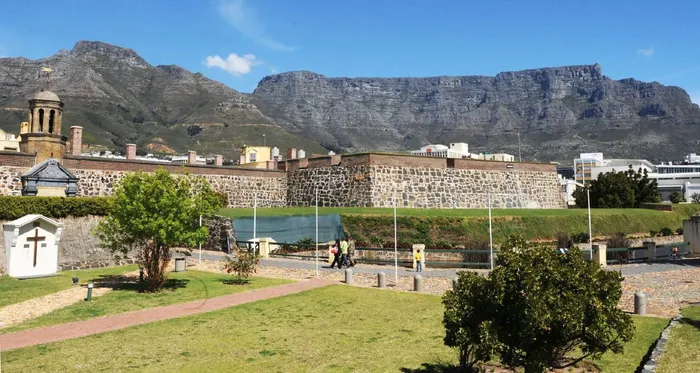
The Castle of Good Hope.
Image: Tracey Adams / Independent Newspapers
Few places in South Africa carry as much historical weight as Robben Island.
Located just off the coast of Cape Town, the island is best known for the prison where political activists, including Nelson Mandela, were held during apartheid.
A ferry ride from the V&A Waterfront takes visitors to the island, where guided tours offer a powerful insight into the country’s struggle for freedom.
Many tours are led by former political prisoners, adding a deeply personal perspective to the experience.
Visitors can see Mandela’s prison cell, the limestone quarry where prisoners were forced to work, and several historic buildings that formed part of the prison complex.
The island also contains traces of earlier histories, from colonial outposts to wartime structures.
Why visit: It’s one of South Africa’s most important heritage landmarks and a powerful reminder of the country’s journey to democracy.
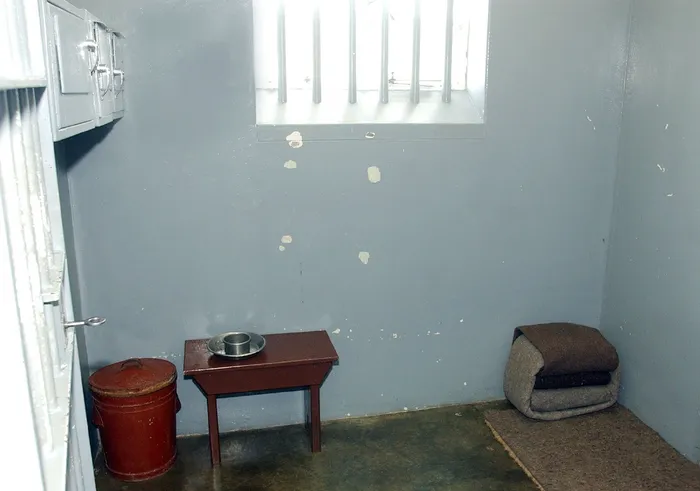
The inside of Madiba's world-famous cell at Robben Island.
Image: Ian Landsberg / Independent Newspapers
The Cape Floral Region, a UNESCO World Heritage Site, is one of the most biodiverse botanical areas on the planet.
Despite its relatively small size, it contains a remarkable variety of plant species, many of which are found nowhere else in the world.
Within this region lies Table Mountain National Park, where visitors can hike scenic trails, explore forests and take in sweeping views of the coastline.
Nearby, the famous Kirstenbosch National Botanical Garden showcases indigenous plant life and conservation efforts.
One of the garden’s most popular features is the elevated Tree Canopy Walkway, offering a unique perspective above the treetops.
Why visit: It highlights the natural heritage that makes Cape Town one of the world’s most ecologically significant destinations.
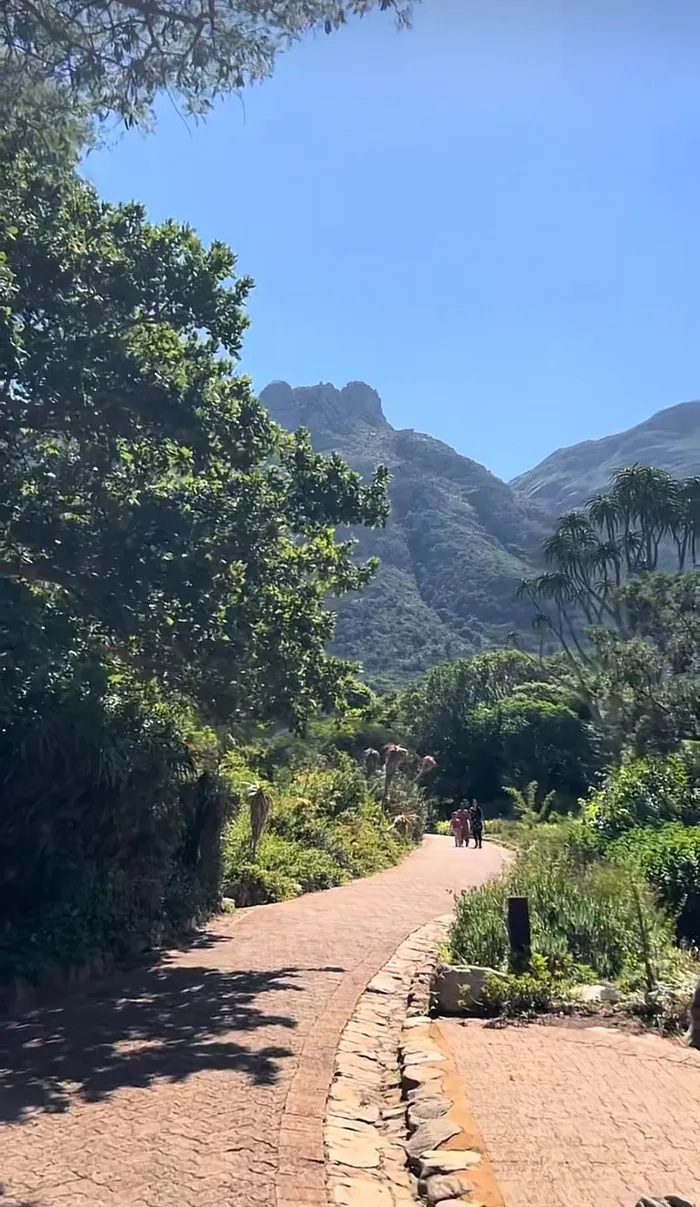
Kirstenbosch National Botanical Garden showcases indigenous plant life and conservation efforts.
Image: Vuyile Madwantsi
Langa, Cape Town’s oldest township, carries a complex history shaped by segregation policies under apartheid.
Established after the 1923 Urban Areas Act, the settlement became a space where Black South Africans were forced to live while working in the city.
Today, the Langa Heritage Precinct honours that history while celebrating the community’s culture and resilience.
The area includes landmarks such as the Guga S’thebe Arts and Culture Centre, the Langa Dompas Museum and Marikana Park.
The Dompas Museum, located in the former pass office, tells the story of the pass laws that controlled the movement of Black South Africans during apartheid.
Why visit: It offers an authentic look at township history, culture and creativity, while supporting local businesses and community initiatives.
For visitors arriving for the jazz festival, exploring these heritage sites offers a deeper connection to the city beyond the stage.
From historic neighbourhoods and former prisons to biodiversity hotspots, Cape Town’s past and present come together in experiences that are as memorable as the music itself.
IOL Travel