

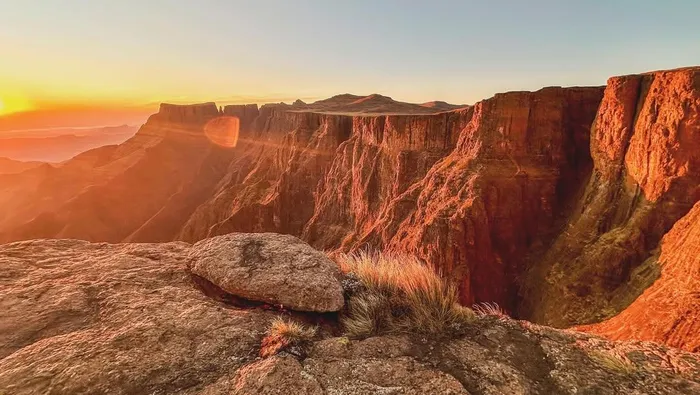
Experience the awe-inspiring Drakensberg Amphitheatre, away from the crowds of the main hiking spots.
Image: Instagram.
South Africa is famous for the "Big Five", beaches and mountains, but the true spirit of the country often hides where the tar roads end and the silence begins.
For those looking to trade crowded viewpoints for untamed beauty, these destinations offer a glimpse into the quiet, authentic heart of the rainbow nation.
Drakensberg Amphitheatre, KwaZulu-Natal
The Amphitheatre is one of the most photographed geographical features on the continent, a literal wall of rock five kilometres long. Yet, while Giant’s Castle attracts the masses, the Northern Berg offers a more rugged, solitary connection to the mountains.
What to do: Tackle the Sentinel Peak trail, which includes the famous chain ladders that lead you to the top of the escarpment. Here, you’ll find the source of the Tugela Falls, the world’s second-highest waterfall, plunging nearly a kilometre into the valley below.
Why it’s a gem: The trails here feel like a true wilderness expedition. Standing on the "Top of the Berg", you are separated from the rest of the world by a veil of clouds and a sheer 1,000-meter drop.
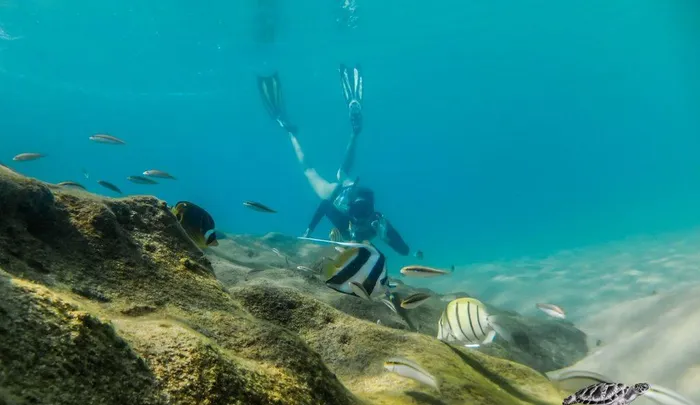
Kosi Bay is a must-see destination, famous for its four lakes, traditional fish traps, and some of South Africa's most pristine snorkelling water.
Image: Instagram.
Kosi Bay, KwaZulu-Natal
Tucked right against the Mozambique border, Kosi Bay is a series of four interconnected lakes that flow into the Indian Ocean. It is part of the iSimangaliso Wetland Park, a Unesco World Heritage site.
What to do: Snorkel at the Kosi Bay Mouth, often called "the aquarium" because of its crystal-clear water and reef fish or watch local Thonga fishermen use traditional 700-year-old fish traps - a skill passed down through generations.
Why it’s a gem: It is one of the most remote parts of the country. If you want a tropical island feel without the resort crowds, this is where you go to find deserted white-sand beaches and ancient raffia palm forests.
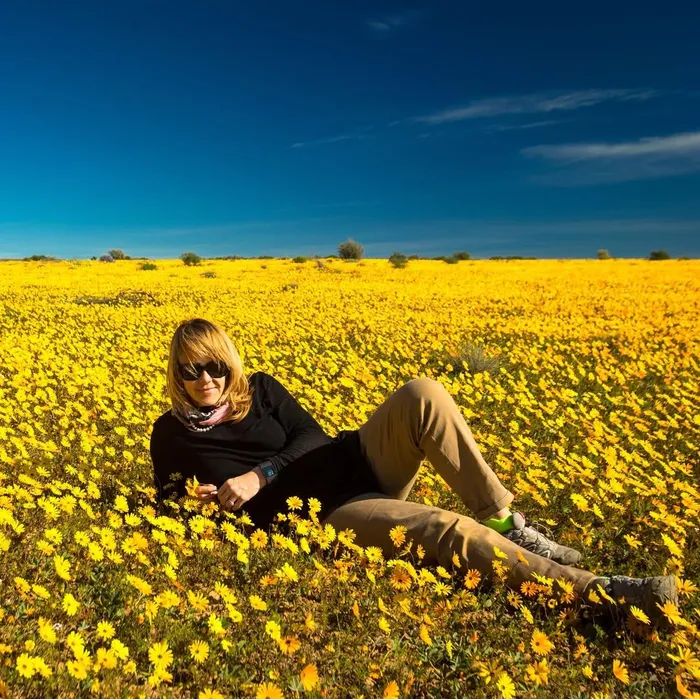
Situated in the Northern Cape province of South Africa, between Vanrhynsdorp and Calvinia, Nieuwoudtville is a picturesque small town.
Image: Instagram.
Nieuwoudtville, Northern Cape
While most travellers flock to the Namaqualand coast for flower season, those in the know head inland to the Bokveld Escarpment.
Nieuwoudtville isn’t just about daisies; it is the "bulb capital of the world", boasting the highest concentration of indigenous geophytes (bulbous plants) on Earth.
What to do: Explore the Hantam National Botanical Garden or the Nieuwoudtville Wildflower Reserve. Beyond the blooms, don’t miss the 100-meter-high Nieuwoudtville Falls or the eerie, ancient Quiver Tree Forest (Kokerboom woud) just outside town.
Why it’s a gem: It offers a slower, more intimate experience than the main flower routes. The town itself is a living museum of sandstone architecture, and the lack of light pollution makes the stargazing world-class.
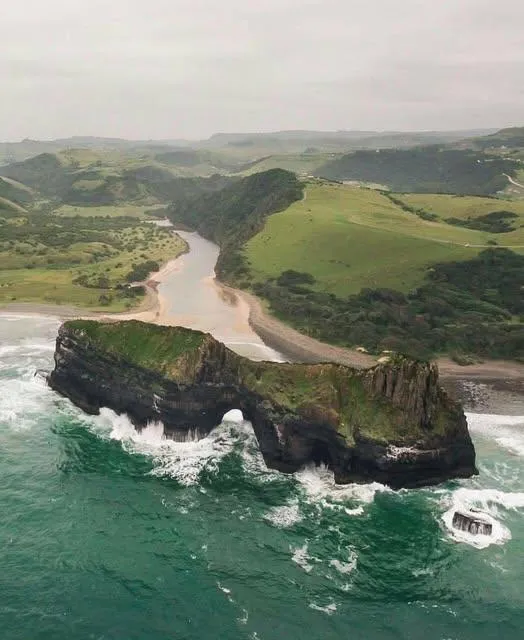
The Hole in the Wall is a rocky archway located just off the Wild Coast, south of Coffee Bay, in the Eastern Cape.
Image: Facebook.
Coffee Bay, Eastern Cape
Deep in the heart of the Transkei, Coffee Bay is a place where goats outnumber cars and the Indian Ocean roars against emerald-green cliffs. It is raw, unpolished and breathtakingly beautiful.
What to do: The iconic hike to Hole-in-the-Wall is a must, taking you along goat paths and soaring cliffs. For the more adventurous, the Mapuzi Caves offer cliff-jumping and secret rock pools. You can also take a surfing lesson in the warm water or enjoy fresh-off-the-boat mussels.
Why it’s a gem: There are no shopping malls or fancy franchises here. It’s a place to reconnect with a simpler way of life, guided by the rhythm of the tides and the warmth of the local IsiXhosa community.
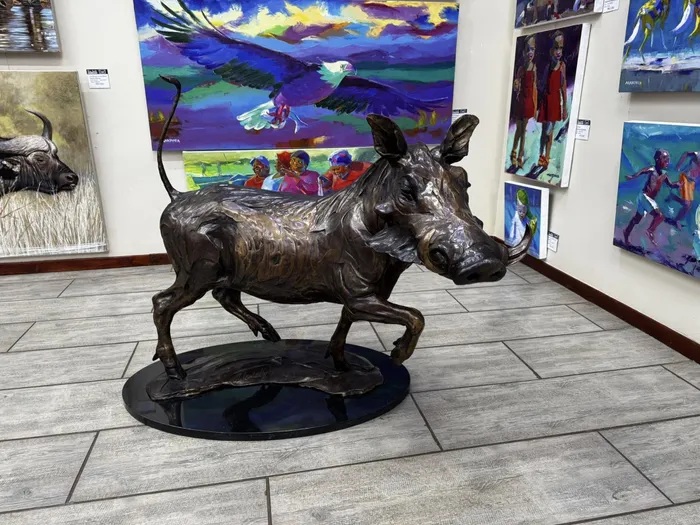
Among the numerous galleries in Clarens is the Blou Donki Art Gallery.
Image: Facebook.
Clarens, Free State
Nestled in the foothills of the Maluti Mountains, Clarens is a splash of colour against the golden backdrop of the Free State. Often called the "Jewel of the Free State", it is a haven for creatives and foodies alike.
What to do: Spend an afternoon meandering through over 20 art galleries, then head to the Clarens Brewery for a flight of local craft beers. For nature lovers, the Golden Gate Highlands National Park is just a 15-minute drive away, offering spectacular sandstone formations like the Brandwag Buttress.
Why it’s a gem: It balances adventure with sophistication. You can spend the morning white-water rafting on the Ash River and the evening dining at a high-end bistro, all while surrounded by some of the most unique mountain scenery in the country.
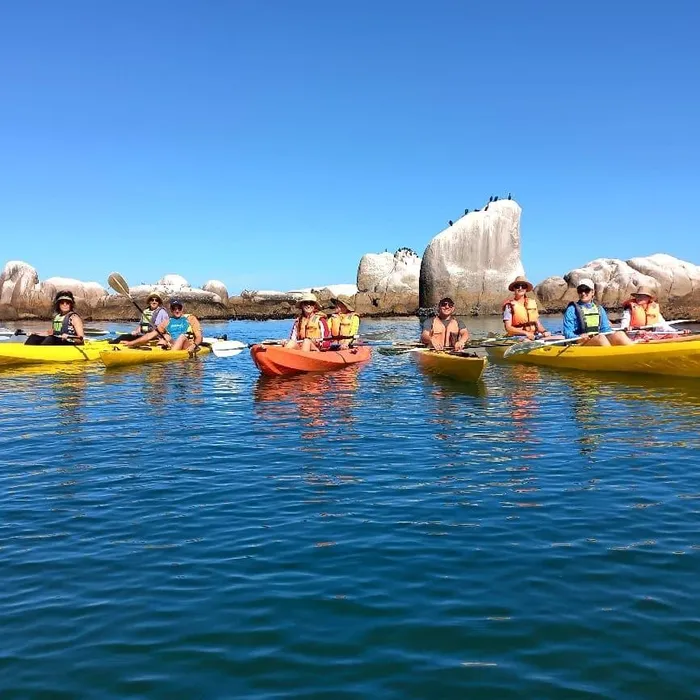
One of South Africa's best-kept coastal secrets allows visitors the opportunity to kayak among dolphins and whales.
Image: Instagram.
Paternoster, Western Cape
One of the oldest fishing villages on the West Coast, Paternoster has managed to resist the glitzy commercialisation of other seaside towns. Strict building codes have kept the village looking like a Mediterranean dream, with uniform white-washed cottages and blue shutters.
What to do: Kayak among dolphins and whales, visit the Cape Columbine Lighthouse, or indulge in a world-class culinary experience at Wolfgat (voted one of the best restaurants in the world). Alternatively, just buy a fresh "kreef" (crayfish) from a local fisherman on the beach and have a braai.
Why it’s a gem: It’s about the "West Coast soul". Life here moves at the speed of a slow-moving fog bank. It’s a place for long walks on deserted beaches and falling asleep to the sound of the Atlantic.
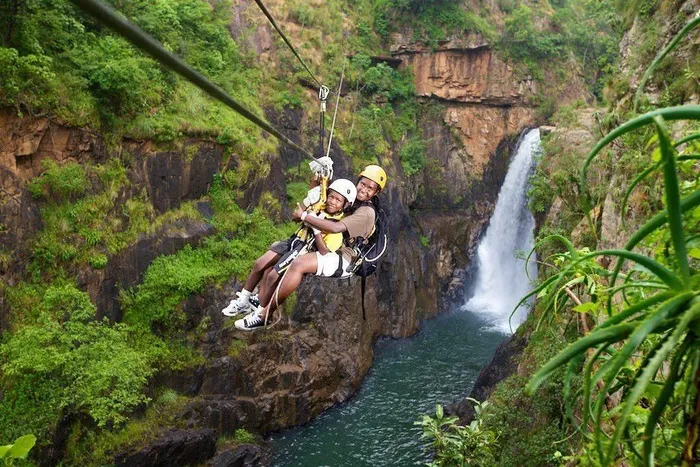
In Magoebaskloof, both adults and children can experience the exciting sensation of sliding over waterfalls and rivers.
Image: Instagram.
Magoebaskloof, Limpopo
Located on the northern tip of the Drakensberg, this area is often bypassed by travellers heading straight to the Kruger Park. It is a region of high-altitude tea plantations, misty mountains and avocado orchards.
What to do: Try the Magoebaskloof Canopy Tour for a bird's-eye view of the forest, or visit the village of Haenertsburg for its quaint shops and "slow-food" restaurants.
Why it’s a gem: It offers a temperate, "mountain-retreat" vibe in the middle of a subtropical province. It’s an ideal stopover to decompress before or after a hectic safari.