

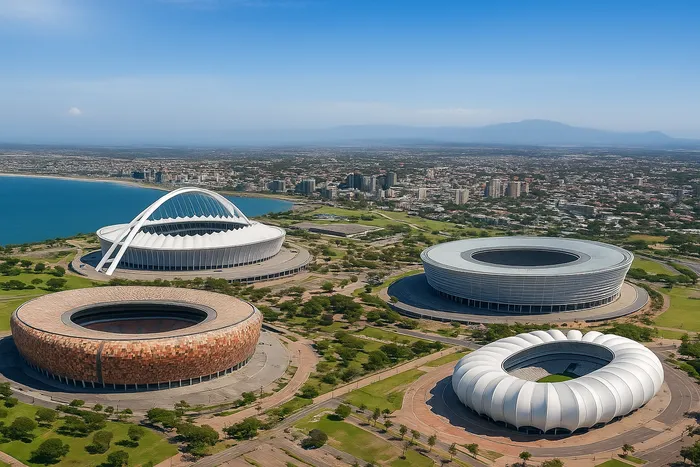
An AI-generated composite image showing FNB Stadium, Moses Mabhida Stadium, Cape Town Stadium, and Nelson Mandela Bay Stadium side by side.
Image: ChatGPT
Minister in the presidency Khumbudzo Ntshavheni announced at a press briefing on Thursday that South Africa was preparing to launch a bid to host either the 2036 or 2040 Olympic Games.
Should the bid be successful, South Africa will become the first African nation to host the event, and it will come decades after the country became the first to host the FIFA World Cup, which took place in 2010.
"South Africa initiates its intention to bid for the 2036 and 2040 Olympic Games," Ntshavheni said on Thursday without specifying which city would be the hosts.
The country still has the infrastructure in place after the 2010 World Cup, meaning no venues would have to be built from scratch, saving the potential bidding city millions of rand.
"Even if we are offered the games tomorrow, cabinet is confident that we should be able to host them with our facilities," she said.
Cape Town came close to winning the bid to host the 2004 Olympics, and is thought to be in the lead in being announced as the potential bidding city. Durban has also been mentioned in the past.
In 2015, the KwaZulu-Natal city won the bid to host the 2022 Commonwealth Games, with Moses Mabhida being named the main venue. However, due to financial constraints, the city was stripped of its rights to host, and the games were moved to Birmingham in the United Kingdom.
IOL Sport takes a look at the potential South African cities that could be the potential hosts.
Cape Town
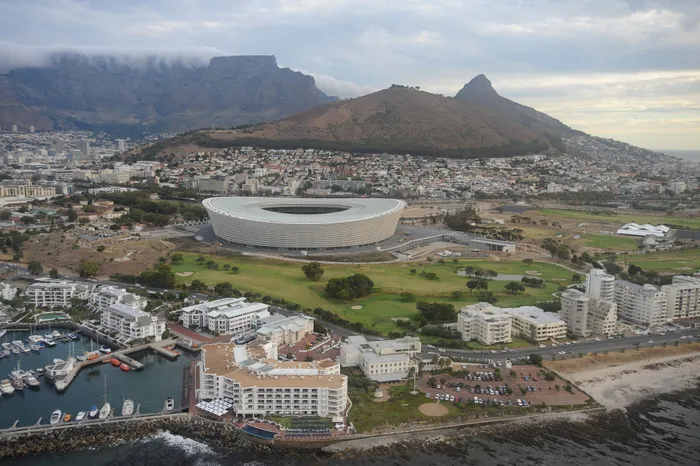
A general view of the Cape Town Stadium with Table Mountain in the background. The South African government on Thursday announced plans to launch a bid to host either the 2036 or 2040 Olympic Games.
Image: Henk Kruger/Independent Newspapers
Cape Town is widely seen as South Africa’s natural fit for the Olympics. Its compact geography, stunning setting between Table Mountain and the Atlantic, and sea-level altitude are ideal for athletes and spectators. The city has world-class infrastructure, a modern 2010 FIFA World Cup stadium, and a strong record of hosting major international events. Its global appeal and tourism brand make it an attractive choice for the IOC.
However, Cape Town lacks a dedicated athletics track, velodrome, and large aquatic centre, all of which would need upgrading. The airport and transport network would also require enhancements to handle the influx of visitors. Still, its beauty, compactness, and recognisability make it a strong contender, with clear post-Games tourism potential.
Johannesburg
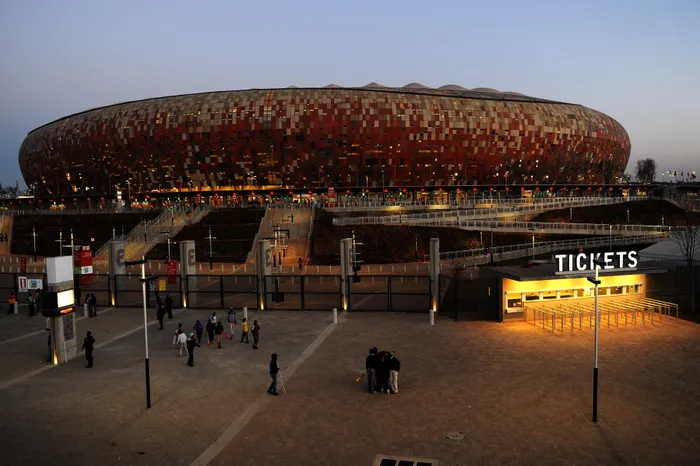
General view of the FNB Stadium in Johannesburg.
Image: Gianluigi Guercia/AFP
Johannesburg’s main strengths are scale and connectivity. It hosts the continent’s largest airport, O.R. Tambo, and has multiple stadiums and arenas that could accommodate Olympic events. The Gautrain and extensive highways support efficient transport across the city.
Challenges include its sprawling layout, which increases travel times, and its high altitude (around 1,700 m), which can affect endurance events. The city also lacks Cape Town’s scenic appeal. Yet for logistics, accommodation, and international accessibility, Johannesburg is the most practical – if not the most picturesque – host.
Durban
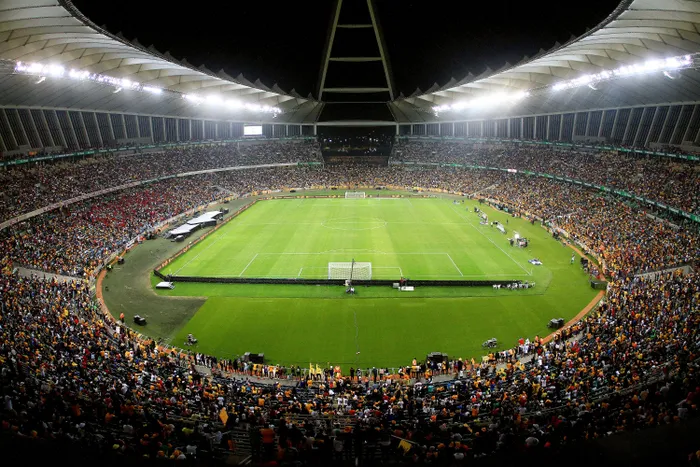
Durban's Moses Mabhida Stadium could be the main arena if the city were chosen as the South African city to bid for the 2036 or 2040 Olympic Games.
Image: Anesh Debiky/AFP
Durban offers a balance between Cape Town’s coastal charm and Johannesburg’s infrastructure. Moses Mabhida Stadium and Kings Park precinct provide a solid Olympic core, and its sea-level climate is ideal for athletes. The beachfront and tourism culture also enhance its appeal.
Connectivity is the main limitation: King Shaka International handles fewer international flights, and the city lacks rapid public transport. Hotel capacity would also need expansion. Despite these hurdles, Durban could host a relaxed, beach-city Games with strong tourism and post-event legacy.
Gqeberha
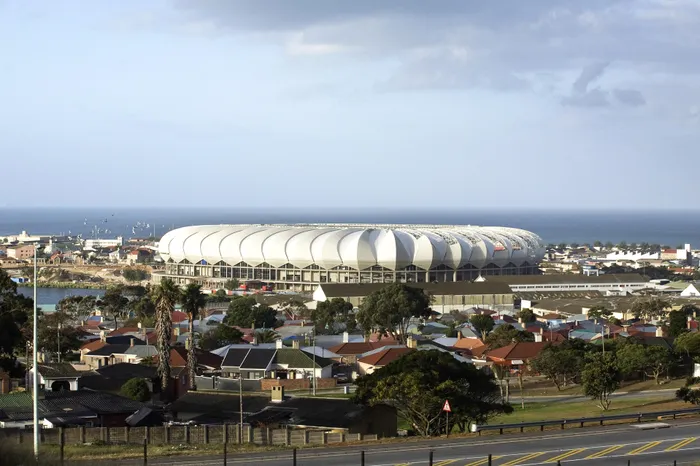
The Nelson Mandela Bay Stadium in Gqeberha was built for the 2010 World Cup.
Image: Gianluigi Guercia/AFP
Gqeberha, an outisider, brings compactness and intimacy to the Olympic experience, with most venues within 10 to 15 km of each other. Nelson Mandela Bay Stadium could anchor a precinct, and the city's sea-level climate is ideal for outdoor events like triathlon and sailing.
However, it lacks the infrastructure, hotels and international connectivity to support a full Olympic Games. Most venues would need to e built from scratch. Gqeberha is best suited as a co-host for coastal or endurance events rather than a primary host.
IOL Sport