

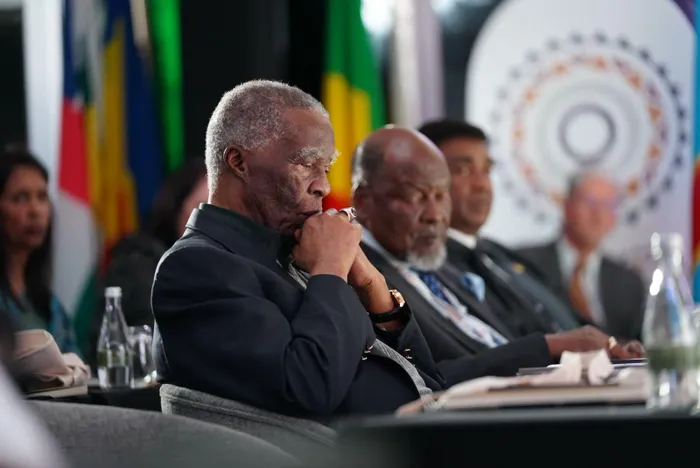
Following 16 years of partnership between the University of South Africa (Unisa) and the Thabo Mbeki Foundation, Cape Town will host the 16th Annual Thabo Mbeki Africa Day Lecture under the theme “Rebuilding African unity in the age of fragmentation.
Image: File
The ability to inspire belief in a vision remains one of the defining qualities of transformative leadership. People do not rally behind ideas simply because they are intellectually sound; they are moved by visions that resonate with their histories, identities, and aspirations. In post-colonial Africa, few leaders understood this better than Thabo Mbeki through his articulation of the African Renaissance.
Mbeki’s clarion call offered a powerful counter-narrative: that Africa could rise again—intellectually, politically, economically, culturally, and spiritually—after centuries of dispossession, conflict, and underdevelopment. The African Renaissance was not merely political rhetoric. It sought to restore confidence in the African project and to reposition the continent as an active agent in shaping its own destiny.
What made this vision endure was its grounding in dignity and historical consciousness. Mbeki appealed to a shared longing for recognition and self-definition, challenging Africans to imagine themselves beyond the constraints of colonial legacies and global stereotypes. Crucially, the vision extended beyond symbolism. It translated into continental initiatives, institutional reforms, and sustained dialogue on African unity, governance, and development—demonstrating that meaningful visions require both inspiration and implementation.
Its enduring lesson is clear: people follow leaders who offer not only critique, but also a credible and compelling vision of the future. Vision resonates most when it connects ideals to lived realities and addresses unresolved societal questions.
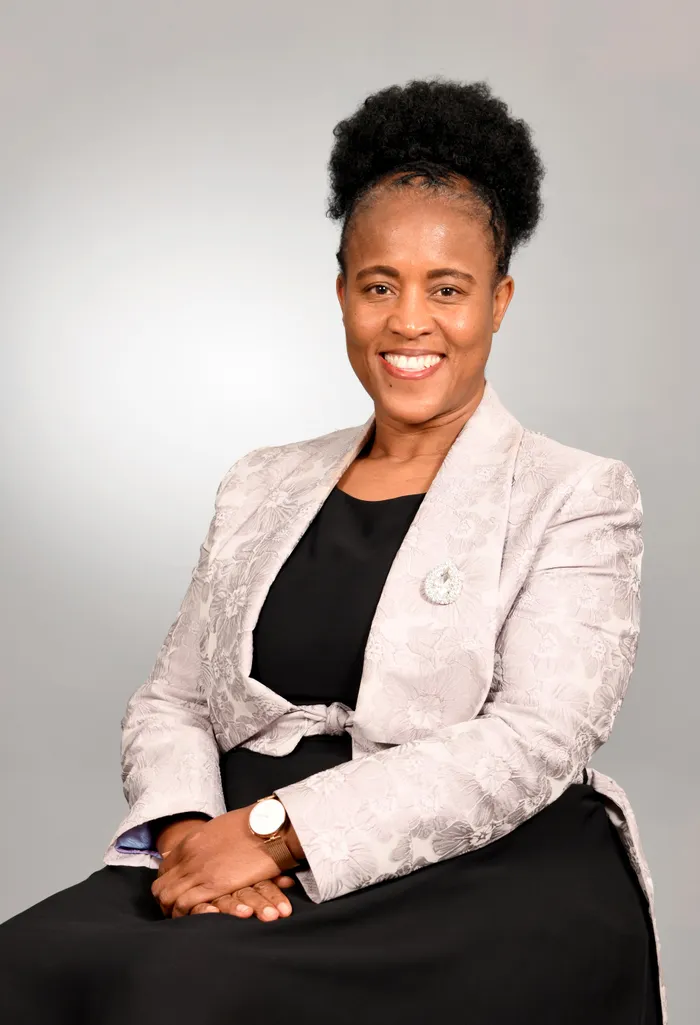
Professor Edith Senong Phaswana is the Acting Executive Dean of the Thabo Mbeki African School of Public and International Affairs
Image: Supplied
It is within this context that, following 16 years of partnership between the University of South Africa (Unisa) and the Thabo Mbeki Foundation, Cape Town will host the 16th Annual Thabo Mbeki Africa Day Lecture under the theme “Rebuilding African unity in the age of fragmentation.”
Since its inception in 2010, this annual lecture—held on 25 May—has become one of the continent’s leading platforms for intellectual engagement and policy reflection. It convenes political leaders, academics, government officials, diplomats, business figures, and civil society to reflect on Africa’s trajectory and the advancement of its development agenda.
This year’s four-day programme continues that tradition. It opens with a high-level business breakfast organised by TMF with AUDA-NEPAD marking 20 years of the African Union Development Agency (AUDA-NEPAD), a flagship initiative championed by Mbeki. The gathering will reflect on progress in advancing regional integration and economic transformation, while reinforcing commitments to Africa’s future. Deputy President Paul Mashatile will deliver the keynote address at this gathering.
The second day features an academic colloquium organised by Unisa in partnership with the Parliament of South Africa, reflecting on 30 years of South Africa’s constitutional democracy. The keynote address by Professor Muna Ndulo of Cornell University will examine whether the Constitution has fulfilled its promise, followed by panel discussions that will further interrogate these critical themes. Panellists have been drawn from various universities in the country.
The highlight of the programme is the 16th Annual Africa Day Lecture at the Century City Conference Centre, bringing together a broad public audience for reflection on Africa’s development, leadership, and global positioning. Former Governor of Ekiti State in Nigeria, Dr Kayode Fayemi, will set the scene on rebuilding African unity in the age of fragmentation and will be joined by HE Former President Thabo Mbeki and the Vice President of King’s College, Prof Fumni Olanisakin, in a panel discussion.
The programme concludes with a youth dialogue at Unisa’s Parow Campus, ensuring that the voices of the next generation are central to shaping Africa’s future.
As Africa celebrates another Africa Day, the message is unmistakable: visionary leadership matters. But more importantly, vision endures when it is lived, shared, and translated into meaningful change.
*Phaswana is the Acting Executive Dean of the Thabo Mbeki African School of Public and International Affairs