

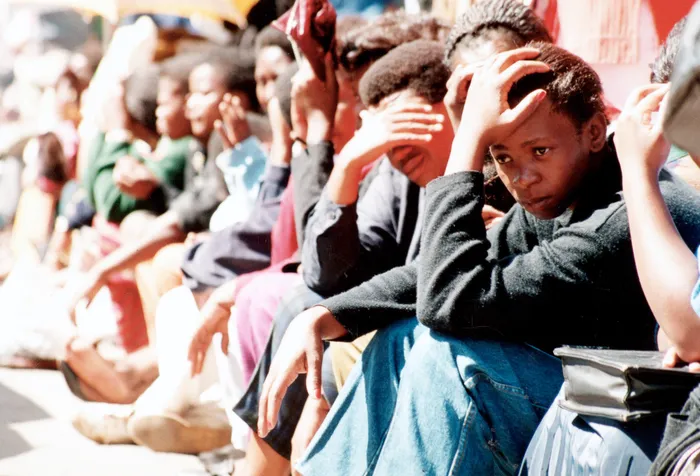
The uncomfortable truth is this: corporations are shrinking, automating, cutting costs. They are not built to absorb millions of unemployed young people, says the writer.
Image: File
I AM that young person. The one who just finished matric, or who holds a fresh, crisp diploma or degree, is still smelling of possibility. The graduation photos are posted. The family celebrations have quieted. The aunties have stopped calling to say they’re proud.
And then comes that moment. The quiet one. When reality clears its throat and asks the simple, terrifying question: What next?
Every morning starts the same. I wake up, switch on my phone, buy data if I can afford it, and scroll. I type “entry level” words that sound welcoming, almost kind. Then the conditions appear: Two years’ experience required. Three years preferred. Valid driver’s licence. Own transport. I close the app. Open another. The same story. Sometimes I apply anyway, hoping someone will see past the checklist and notice the human behind the CV. Most times, I hear nothing. Sometimes, an automated email thanks me for my interest and wishes me luck elsewhere.
I am told to be patient. To keep applying. To stay hopeful. But hope does not pay for transport. It does not buy data. It does not help when you’re sitting at home, watching your parents stretch a pension or a grant to cover one more mouth. Hope is vital, yes. But hope without opportunity curdles into frustration.
Let me be clear: I am ambitious. I want to work. I want to wake up early because I have somewhere to be. I want to contribute, to build skills, to earn dignity through effort. I do not want a handout. I want a chance. A real one.
We are fed a narrative: big companies will absorb us. The private sector will save us. If we wait long enough, the economy will grow, and jobs will magically appear. I am standing here, qualified on paper and unemployed in practice. The uncomfortable truth is this: corporations are shrinking, automating, cutting costs. They are not built to absorb millions of us. Expecting them to solve youth unemployment is like asking a lifeboat to rescue an entire sinking ship.
So, where do we go from here?
Right now, I receive R370 a month from the state. It helps me survive. It buys bread, airtime. It gets me through the month. But it does not help me grow. It keeps me waiting, not building. It’s a holding pattern, grateful, but stuck.
I ask myself: what if that support became a stepping stone instead of just a safety net? What if it helped me start something small? A service. A skill. A micro-business rooted in my community.
I do not need millions, a fancy office, or a loan that will drown me in debt. I need structure. Guidance. Belief. A system that says, ‘you can start here, where you are, with what you have’.
Imagine a local hub not in Sandton or the Cape Town CBD, but right where we live. A place that teaches how to register a business, manage money, price your work, and find clients. A place with mentors who speak my language and understand my reality. A place that measures success not by how fast you scale, but by whether you survive and improve.
The opportunities are everywhere, hiding in plain sight: cleaning, repairs, childcare, gardening, deliveries, digital support for spaza shops, and social media help for local businesses. These are not small dreams. They are the real, un-monetised economy of our neighbourhoods, waiting to be unlocked.
What we lack is not ideas. It is infrastructure. Not energy, but coordination. Not willingness, but pathways.
I am not asking to be saved. I am asking to be enabled.
If this country is serious about its future, then institutions like the National Youth Development Agency (NYDA) and the Department of Small Business Development must look at people like me and see potential, not a problem to manage. We are not lazy or entitled. We are underutilised. We are a resource being wasted in plain sight.
Give us tools instead of slogans. Platforms instead of promises. A pathway instead of a waiting room, where time quietly erodes our confidence and skills.
I am ready. I have the hunger, the ideas, and the will to work. The only real question left is whether the country is ready for me.
Qwesha is a trade finance consultant with expertise in global commerce and risk management and regularly contributes to a number of publications.