

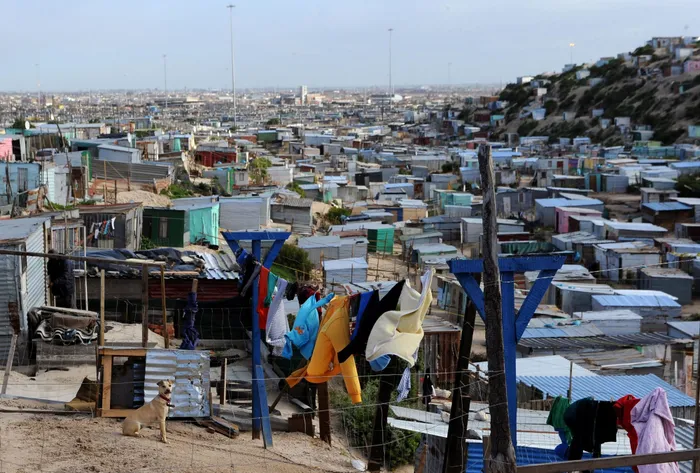
The City's planning frameworks repeatedly point to deeper structural causes of unaffordability: a decades-long housing backlog, high construction and financing costs, says the writer.
Image: Independent Media Archives
CAPE Town’s housing affordability crisis is placing increasing pressure on residents across the city. Rental inflation has outpaced income growth, available stock remains constrained, and many households are being pushed further from well-located areas.
In this environment, it is understandable that people are searching for clear explanations. Short-term rentals are frequently cited as a primary cause — yet the data shows a far more nuanced picture.
The commonly quoted number of more than 26,000 Airbnb listings in Cape Town includes every type of listing: spare rooms, shared homes, cottages, and primary residences only occasionally let. When assessing housing availability, this broad number is not the most meaningful measure.
Airbnb’s 2024 Cape Town Impact Report identifies 7,362 “dedicated” listings — full homes rented for more than 90 nights per year. This represents less than 1% of the city’s formal housing stock. These are the only units that could realistically shift long-term rental supply. Both figures are accurate, but they measure different things; conflating them risks misunderstanding the scale of the issue.
At the same time, the City of Cape Town’s own planning frameworks repeatedly point to deeper structural causes of unaffordability: a decades-long housing backlog, high construction and financing costs, delays in development approvals, limited release of well-located public land, and insufficient delivery of social and affordable housing. These long-term constraints affect rental prices across the metro, not just in areas with short-term rentals.
Another significant factor is inward migration. Cape Town continues to draw residents from across South Africa due to stronger service delivery, perceived safety, and economic opportunity. The city has also become a major destination for digital nomads and remote workers under the national remote work visa, contributing additional rental demand in certain neighbourhoods. These demographic realities, independent of short-term rentals, exert meaningful upward pressure on the market.
International examples provide helpful context. In Berlin, New York City and Barcelona, heavy restrictions or near-bans on short-term rentals did not lead to lower rents. In each case, rents continued rising because the underlying issue was inadequate housing supply. Overly restrictive STR policies also reduced compliance and pushed activity underground, complicating regulation and weakening community protections.
South Africa is already moving toward a more structured regulatory environment. The Business Licensing Bill proposes national licensing, a central database, municipal authority to create STR-specific by-laws, and enforcement mechanisms. The Tourism White Paper similarly calls for registration, thresholds, and improved data visibility. These measures, if implemented carefully, can create a balanced framework that supports both neighbourhoods and the tourism economy.
It is also important to acknowledge the economic significance of short-term rentals. Airbnb’s data shows the sector contributed R14.4 billion to Cape Town’s economy in 2023 and supported 42,000 jobs, including cleaners, contractors, hospitality workers, and small service providers. These livelihoods form part of the city’s economic fabric and should be considered in any policy changes.
Cape Town’s housing crisis will not be resolved by focusing on less than 1% of housing stock, nor through rent control alone. The most effective long-term solutions lie in expanding social and affordable housing, streamlining development approvals, strategically using public land, and adopting fair, enforceable STR regulation grounded in accurate data.
Housing affordability is one of Cape Town’s most urgent challenges. Addressing it requires policy that is guided by evidence, not assumptions, and that recognises both the pressures residents face and the complexity of the systems that shape the city’s housing landscape.
Masureik is the owner of South Seas Properties, a Cape Town–based property management company overseeing multiple short-term rentals.