

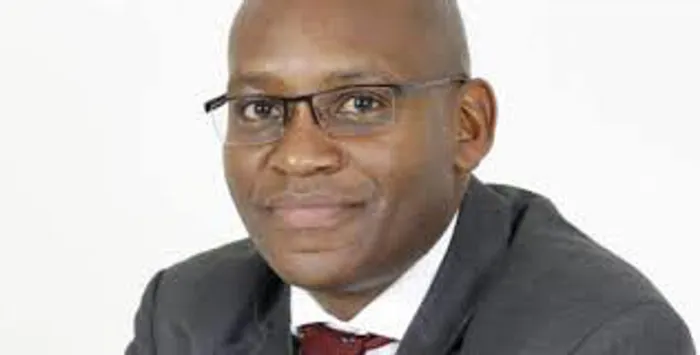
Fikile-Ntsikelelo Moya
I once asked a renowned researcher in the area of violence and security why it was that we had the levels of violence we have in our society.
Her answer was that we always have had, but it was not in the media because every time she pitched the idea for coverage of violence she was told by then editors that their readers were not interested.
She told me she felt vindicated by the Truth and Reconciliation Commission but was unimpressed by the levels of “we did not know” that flowed from the hearings.
I am saying all this because I fear we have a new breed of readers who are preparing themselves for future ignorance. These are readers who, because of their comfortable stations in life, think that columnists like me unfairly make them feel guilty about being in the privileged position they find themselves.
Of course being privileged is nothing to be ashamed of, nor is it a moral hazard. It is my hope that more and more people become “privileged”. The currently privileged group is not just about white people. It includes men – black and white – who benefit from living in a patriarchal society.
It is also black middle-class people who assume that, just because they have crossed over their race and class Rubicon, all is well.
Last week, I wrote about Statistician-General Pali Lehohla’s report on the state of black and coloured youth and some of the responses to the column suggested I was trying to pile unnecessary racial antagonism.
The ink had not yet dried when Labour Minister Mildred Oliphant reported that white males still enjoyed the better opportunities in the workplace, especially at senior levels.
I am certain that Oliphant’s report will be met with the same levels of discomfort as Lehohla’s and that she will be accused of playing the race card. I know of young women who enter fields that require mentoring but have their confidence killed off early by those who forget that they, too, were once novices who benefited from the patience and guidance of others.
The ignorance and disinterest of the black middle classes is no better. I have a relative who insists that her children must speak only English because “where will she use an African language because everybody speaks English”.
Just for clarity sake, this relative is black, has a university degree and is Soweto born and raised yet she does not know who her children will speak Setswana and isiZulu with.
Newspapers such as this are mostly consumed by middle-class people who do not live in shacks, depend on social grants or take trains and taxis to work. That, however, does not mean we should not care about “those people”. And our caring is not so much about being charitable, but about ensuring we have a stable future, and that can only be sustained by an economically and socially just society.
It might not go down well with your coffee when statistics shatter the illusion that white males are unfairly persecuted and excluded from employment opportunities, or that black males are as sexist towards black women but, as an ancient itinerant Jewish moral teacher once said, you shall know the truth and it shall set you free.
The picture of men hanging outside the doors of a moving train might look like an exotic stunt, but it is essential that employers get to know the risk that working-class people place themselves in, just to get to work.
It is important that before urban people condemn rural people making “a big deal” about tarred roads, understand just how big an economic difference it makes to a village where the bread truck can now deliver, and villagers no longer need to depend on the one man who has a rickety van to drive to town to get bread and who, in turn, must charge his customers for his troubles.
Social commentary will not always be for your comfort.
It cannot be right that, for the vast majority of South Africans, the significance of April 27 is that they can now vote yet their lives are as they were on the same day 22 years ago.
The dismissive attitude to people’s realities of racism, sexism, sexual violence, class exclusion and marginalisation will not just disappear because you chose to look away and would rather watch Bruce Jenner’s evolution from being a Olympic champion athlete to being a reality TV superstar woman.
Speaking for myself, I refuse to contribute to future generations that will pretend they did not know.
I refuse to participate in the game of giving future media consumers the “we did not know” alibi. I choose to be blameless when some of us are one day caught unawares when those they call, or will call, barbarians are at the gate.
@fikelelom