

Picture: Supplied
Johannesburg - The unprecedented load shedding that is being experienced by South Africans recently is undoubtedly frustrating, as well as an expensive exercise for most households.
Blackouts and prolonged outages can cause food to rot in the fridge and lead to power surges that can break home appliances.
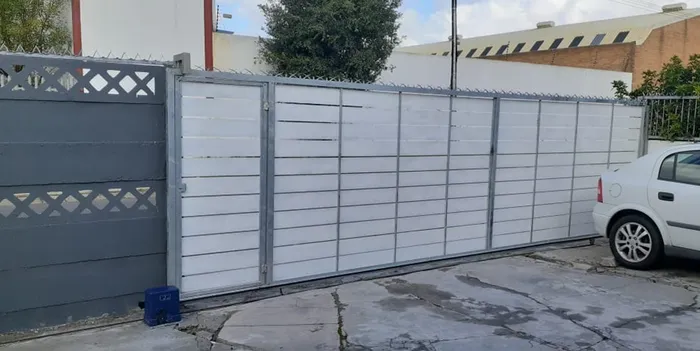
But load shedding can also cause your electric gate at work, or at home, to break.
Michael Rogers, the managing director of Uniross, a leading manufacturer of batteries in South Africa, said your home or office gate motor needs a lithium battery because gate motors that use lead acid batteries can’t be discharged and recharged frequently with ongoing load shedding.
Rogers explained that most households rely on lead acid batteries, but warned that these are not capable of being completely discharged and recharged as frequently as we are seeing with ongoing load shedding.
“If the lead acid battery is regularly drained to below 50% and then recharged, the lifespan and performance will deteriorate significantly.
“This can especially happen when load shedding is at stage 4 or higher or in complexes and business parks which have high volumes of traffic causing the lead acid battery to become fully discharged,” Rogers warned.
He said new lithium battery technology is better suited to a load-shedding environment of deep and frequent discharges as these batteries are designed to have an increased lifespan even if they are repeatedly discharged.
“Lithium batteries can run completely flat (100% depth of discharge) without causing damage to the battery, making the technology ideally suited to a gate motor, especially those that are used in complexes or business parks where the traffic is high.
“In addition, lithium batteries can be used up to 2 000 times as opposed to 250 to 300 times for a lead acid battery,” he said.
IOL