

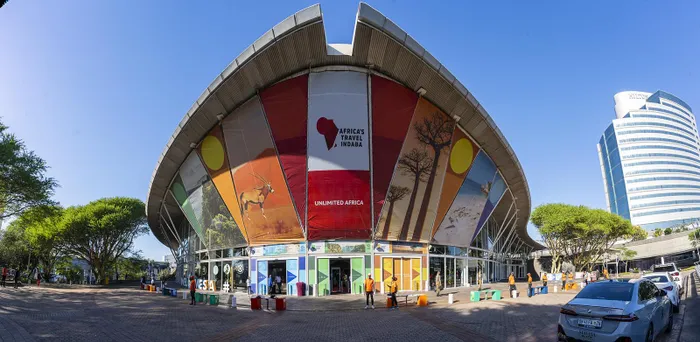
Durban’s Indaba travel show ended with fewer international visitors but a surprising surge in local tourism, as high costs and global tensions reshape travel trends.
Image: Supplied
Durban’s premier travel show, Indaba, ended this week with many regulars echoing the same sentiment: it was the quietest event in years.
“I’ve been a regular exhibitor at Indaba for 14 years, but this year has been shockingly quiet. We’ve seen a huge drop in international visitors and exhibitors, driven by the war and high flight prices,” Maria, a safari operator, told IOL.
But in an interesting twist, there has been an unexpected boom in local travel, leading to new tourism industry partnerships and a boost in domestic tourism revenues.
Delegates and Durban businesses say they noticed a distinct increase in South African and Africa-wide business presence at Indaba, as well as increased spending at tourism establishments in Durban, including restaurants.
“We’ve definitely seen more local tourists than in previous years at both our Umhlanga and Florida Road branches. This is probably due to the cost of overseas travel,” said Derryck Meyers, owner of Butcher Boys, an established 25-year-old steakhouse on Durban’s restaurant scene.
It is a key shift, as many restaurants report a better-than-last-year impact from Indaba. With tourism contributing 4.9% to South Africa’s GDP, it remains a key sector for the economy and job creation, with statistics pointing to 954,000 direct tourism jobs.
With the Iran–US war entering its fourth month, higher fuel prices and fears surrounding the conflict have meant many travellers have opted for travel within Africa or reduced their spending abroad.
Indaba is seen as a key platform in South Africa, connecting travel operators, tour operators and media from across the world. The war and its impact have also forced travel businesses to rethink their target markets and business models.
Exhibitors at South Africa’s luxury Blue Train also admitted they were promoting local deals to attract the affluent domestic market.
The only problem for many is that it still remains out of reach. A regular trip from Pretoria to Cape Town aboard the luxury train — considered among the most luxurious in the world — will normally set you back just over R40,000. Their “special” until the end of July for the same trip is R20,343, still well out of reach for most South Africans.
But for some, the wake-up call has been long overdue.
“South Africans can’t even afford to travel in their own country because it’s not affordable. Try booking a safari or a holiday to Cape Town or the Kruger National Park, and we have to save for years if we’re lucky,” said Sara, a Durban resident.
“Prices are out of reach for most South Africans. They pitch their prices to overseas tourists, making it unaffordable for locals, so it’s about time these operators felt the pinch and appreciated local business too. We can’t be paying tax and still not afford to travel in South Africa. It’s cheaper to travel overseas than to travel to Cape Town. So ja, they must make it affordable if they need local business,” she added.
And with that, delegates, buyers and tourism stakeholders bid the city of Durban and Indaba farewell, hoping for better days ahead.
IOL News