


Major-General Wally Rhoode.
Image: X (Formerly Twitter)
Parliamentarians expressed outrage on Wednesday that two Presidential Protection Services (PPS) officers were cleared by SAPS internal disciplinary proceedings despite the Independent Police Investigative Directorate (IPID) making adverse findings against them.
The MPs accused the law enforcement agencies of covering up and applying different standards when it came to members of the PPS and senior officers in the Phala Phala matter.
This emerged when the SAPS, IPID, and Directorate of Priority Crimes (DPCI) reported on their roles in the investigation and disciplinary inquiry of the implicated officials, PPS head Major-General Wally Rhoode and Constable HH Rekhoto.
Briefing the Police Portfolio Committee, IPID acting head of investigations, Thuso Keefelakae, said their probe looked into police misconduct based on a complaint by ATM leader Vuyo Zungula in July 2022.
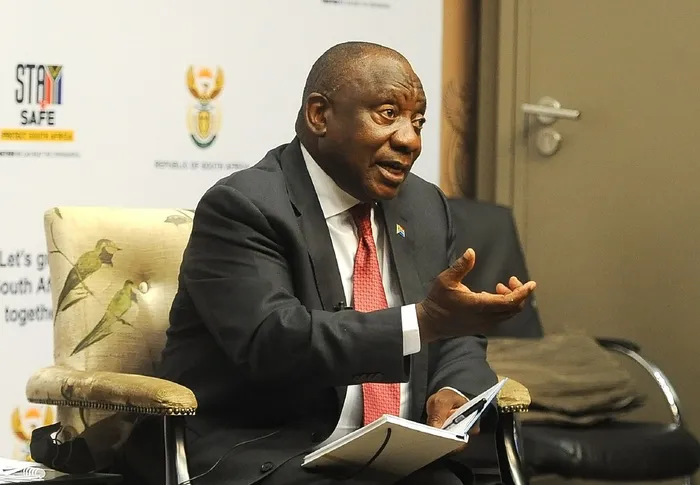
Parliamentarians were outraged that two Presidential Protection Services officers were cleared by SAPS internal disciplinary proceedings despite the IPID making adverse findings against them in the Phala Phala matter.
Image: Supplied
The allegations included failure by SAPS officials to report crimes under the Prevention and Combating of Corrupt Activities Act, not reporting the offences in terms of the SAPS Act, an undercover investigation, and unlawful arrest of the suspects.
There were also allegations of kidnapping, assault, and torture of the suspects, as well as unlawful crossing of the border by Rhoode and unlawful use of police resources in his investigation, among others.
Keefelakae said the DPCI was responsible for probing the failure to report crimes in terms of PRECCA and unlawful handling of the alleged stolen money.
He stated that IPID had dealt with alleged misconduct by the officials.
“The investigations were deliberately structured to avoid duplication, with IPID, the Hawks, and the Public Protector coordinating and sharing information to ensure each institution operated within its respective mandate,” he said.
Keefelakae said the IPID probe found Rhoode did not report the offence to the then-national commissioner Khehla Sitole and that he failed to ensure the registration of case dockets relating to housebreaking and theft at Phala Phala farm.
He also said they found that Rhoode had conducted interviews with the suspects, and Rekhoto went to Cape Town to identify and survey the addresses of the suspects.
“The activities involved the alleged unlawful use of state resources.”
Keefelakae stated that the unlawfulness of the border crossing could not be conclusively established, it was found that Rhoode and President Cyril Ramaphosa’s former advisor, Bejani Chauke, travelled to Namibia.
The IPID investigation found that the kidnapping case was opened at Bela-Bela police station, but it was withdrawn by the victims and the complainant.
The unlawful involvement of former SAPS members, serving members, and Crime Intelligence, as well as bribery of suspects to conceal events at Phala Phala, could not be established.
Keefelakae said IPID had recommended disciplinary action against Rhoode and Rekhoto after conducting a thorough, independent, and impartial investigation.
He explained that the report was classified to protect the IPID investigation and ensure the implicated members were treated fairly by avoiding making public their names.
“The Hawks and the Public Protector were also conducting the investigation on this matter, albeit for different scopes. There was a need to ensure the Hawks' criminal investigation is not unnecessarily undermined.”
Keefelakae added that the IPID recommendations were submitted in October 2023 to the SAPS, which conducted its internal disciplinary hearings and notified them of a not guilty outcome in May 2024.
The SAPS said it became aware of the two officers' improper investigation in 2022, and an investigating officer recommended disciplinary action after conducting an internal disciplinary investigation, and also received the IPID and Public Protector reports the following year.
The report said SAPS had complied with the recommendations of the IPID and the Public Protector.
DPCI head Siphesihle Nkosi said the investigation of corruption and money laundering was finalised, and the prosecutor declined to prosecute.
Nkosi said the housebreaking and theft case was in court and was due to be heard later this month.
“Two foreign suspects remain outstanding, and an extradition request has been lodged,” he said.
Acting Police Minister Firoz Cachalia said that throughout the investigation, the independence of the IPID was respected.
He said the Phala Phala matter had received extensive investigation.
However, MPs were not happy with how the investigation was conducted, and disciplinary outcomes, as well as the classification of the IPID report.
MPs wanted to know whether members of PPS and senior officers were treated the same as other ordinary members, among other things.
DA MP Diane Barnard-Kohler suggested there were “bizarre standards” in subjecting the officers to a disciplinary process.
ADCP leader Kenneth Meshoe said: “We are of the opinion that the failure to register a criminal act is criminal. When a senior official fails to register a case, it could be because of corruption.”
Meshoe asked why IPID let SAPS off the hook and did not ask for the reasons.
MK Party MP David Skosana said the integrity of IPID left much to be desired, and its independence did not exist.
“There is a lot in this Phala Phala matter. We will deal with that in the impeachment, all the shenanigans and cover-ups. I suspect the matter was not dealt with properly,” said Skosana.
EFF MP Muzi Khoza said the Phala Phala saga raised serious concerns about accountability.
He questioned the handling of the disciplinary process and the absence of meaningful consequences when there were allegations of misconduct.
Acting National Commissioner Puleng Dimpane said there was no special treatment of police members.
“All members, regardless of rank, are subjected to disciplinary hearing equally,” Dimpane said.
IPID acting head Hlengani Bila defended the classification of the Phala Phala report.
Cape Times
“We could not undermine the integrity of parallel investigations and also had to respect those flagged,” Bila said.
IPID said the disciplinary outcome was a process in the SAPS management, while the SAPS said the tribunal was independent and could not be interfered with.
Cape Times