

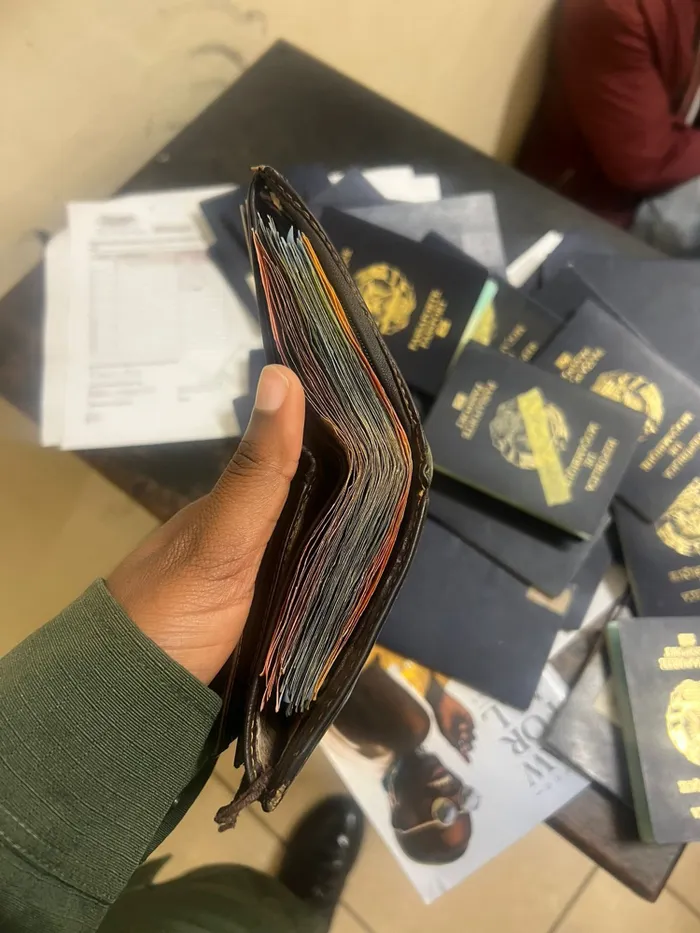
BMA Commissioner and CEO Michael Masiapato says over 50 officials have been dismissed for corruption. The Authority intensifies anti-corruption campaigns at Maseru Bridge to protect border integrity and ethical conduct.
Image: BMA
More than 50 officials have been dismissed from the Border Management Authority (BMA) over corrupt activities, says BMA Commissioner Dr Michael Masiapato.
The Commissioner said the high-impact campaign scheduled for today at the Maseru Bridge port is aimed at strengthening accountability and promoting ethical conduct among frontline personnel.
Masiapato added the campaign forms part of the Border Management and Immigration Anti-Corruption Forum, chaired by the Special Investigating Unit (SIU), which brings together multiple law enforcement agencies to tackle corruption proactively rather than reactively.
He explained that the forum allows the BMA to work closely with the SIU, the Department of Home Affairs, the Correctional Services, and the National Prosecuting Authority (NPA) to investigate and, where necessary, prosecute officials who engage in fraudulent activities.
“One thing that we can fairly agree on is the fact that when we took over this responsibility, we inherited an environment that has been seriously infested with corruption and corrupt activities.
''So on that basis, there has been a lot of work that we have done, particularly in terms of making sure that we try to clean the system,” Dr Masiapato said.
He added that while much of the initial work was reactive, the BMA now focuses on proactive engagement and training of officials to understand the negative impact of corrupt practices at ports of entry.
The Maseru Bridge initiative is the fourth campaign for the current financial year, following interventions at Beit Bridge and Lebombo.
Masiapato said the focus at Maseru Bridge stems from ongoing trends of corruption among immigration officers, particularly those inherited from the Department of Home Affairs.
He noted that some officials work with “facilitators” to allow illegal entry into the country or sell extensions to travellers who have overstayed the 90-day visa limit.
He added that technology, such as body cameras, has already helped reduce these activities by allowing monitoring of interactions between officers and travellers.
While dismissals have targeted over 50 officials, and more than 38 are undergoing disciplinary processes, Masiapato emphasised that corruption is carried out by a small fraction of the BMA’s 2600-strong workforce.
“It is something that we are dealing with considering the point of starting in 2023 to now, there have been a lot of interventions,” he said, noting that vetting under Section 13.3 of the Border Management Authority Act has been key in identifying red-flagged personnel.
Masiapato also addressed whistleblower protections, saying the BMA has confidential channels for reporting corruption.
“People are able to call and indicate incidences of corrupt activities. We encourage our officials to report individuals who are found doing nefarious activities because that continues to condemn everybody, the organisation, but also themselves,” he said.
The Commissioner highlighted other reforms, including the introduction of new immigration stamps with unique identifiers.
Cape Times