

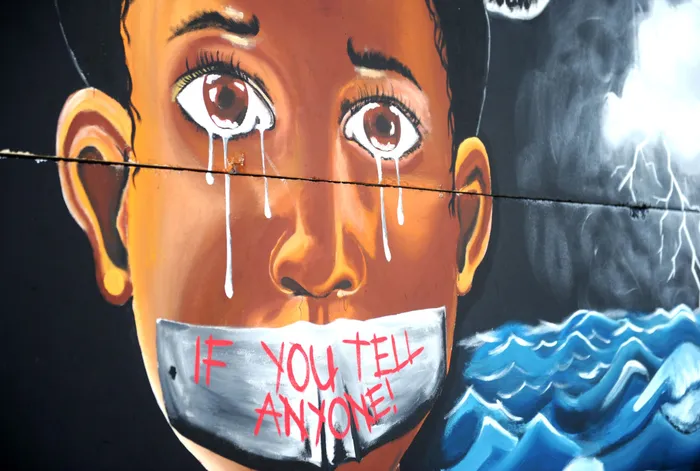
The Western Cape High Court will this week hear a Constitutional challenge against the law which makes it a criminal offense to name a rape suspect before he has pleaded.
Image: Ayanda Ndamane/Independent Newspapers
The “no-name law” - which makes it a criminal offense to name sexual offence suspects before they have pleaded - will come under the judicial spotlight this week during a constitutional challenge in the Western Cape High Court.
Section 154(2)(b) of the Criminal Procedure will especially come under scrutiny as it concerns the prohibition against the publication of any information relating to a charge involving a sexual offence before the accused has pleaded.
Section 335A, which concerns the prohibition against publishing the identity of victims, will also be addressed. As things stand, naming an accused in a sexual-related charge before pleadings are concluded in court is punishable with a fine or an up to three-year jail sentence.
The Minister of Justice, Nkhensani Kubayi, named as a respondent in the matter, is defending the law in as far as it prohibits the naming of a sexual offences suspect, as she argues that this protects the identity of victims, who are often family members. The minister, however, conceded that the law protecting the identities of victims does not have to remain on the law books if the victims themselves wish to be identified.
The application is sparked by GVB activist Caroline Peters, who is challenging the constitutional validity of the two sections of the Criminal Procedure Act (CPA). She is turning to court with the assistance of the Women’s Legal Centre.
As a result of her own experience with sexual violence, Peters has dedicated her life to assisting and supporting victims of sexual violence. In 2021, she became aware that a man (named as the second respondent in this Constitutional challenge) had been charged with the rape of one Ms MN (the complainant).
Later that year, Peters accompanied the complainant when the accused appeared in court. Following his appearance, Peters posted pictures of his back as well as the court roll on her Facebook page. At the time, the accused had not yet pleaded to the charges of rape, and he subsequently laid a criminal complaint against her for the alleged contravention of s154(2)(b) of the CPA.
The Women’s Legal Centre argues that the law, as it stands, allows the alleged culprit to institute criminal charges against anyone who violates this section of the Act. The Centre will further argue that the sections of the Act are against the Constitution because it criminalises the publication of any information that might reveal the identity of a victim of a sexual offence, even where such victim voluntarily discloses her own identity or authorises another person to do so. It, however, does accept the law where it does protect the identity of victims of sexual offences in cases where they choose not to be named.
While the Minister concedes that victims should choose whether or not to reveal their identities, the Women’s Legal Centre argues that the high court must still pronounce on this and the other aspects. The matter will ultimately go to the Constitutional Court later for the final say.
Peters, meanwhile, explains that it is predominantly women who reveal the identities of rapists and sexual abusers, as they are usually the victims. The result is that it is predominantly women who are at risk of being charged with contravening the law if they publish the identity of an accused charged with a sexual offence. The effect of the prohibition, therefore, indirectly discriminates against women on the basis of their sex and gender, she argues.
The Minister has presented extensive evidence on the rationale for protecting victims of sexual offences from having their identities revealed before they are ready. But Peters said, ironically, the need for such protection reinforces and perpetuates the stereotypes that being a victim of sexual violence is indeed something about which to be ashamed and hidden from the public.
“Victims of sexual violence also need to feel heard, believed, and supported by communities and the criminal justice system,” she says.
Cape Times