

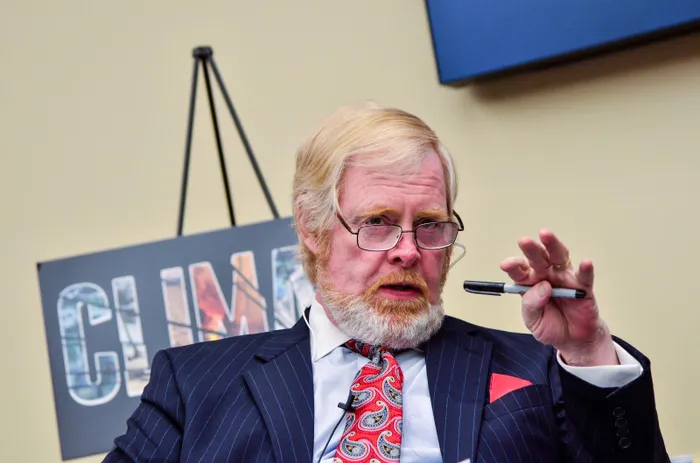
The arrival of the new US Ambassador, Brent Bozell III, could intensify tensions between the US and South Africa.
Image: KRIS CONNOR / GETTY IMAGES NORTH AMERICA / AFP
THE South African government remains tight-lipped about the arrival of US Ambassador-designate, Leo Brent Bozell III, amid strained diplomatic and trade relations between the two countries.
South Africa is the US’s largest trade partner in Africa, with two-way goods trade estimated at approximately $20,5 billion to $21,1 billion in 2023. More than 600 US companies operate in South Africa.
However, tension between the two countries escalated due to intense geopolitical friction, driven by South Africa’s non-aligned stance, strengthening ties with Russia and China, and conflicts over the Israel-Palestine issue.
The return of the Donald Trump administration in 2025 accelerated the tension, with executive orders concerning South African land reform and diplomatic friction, such as the March 2025 expulsion of South African Ambassador Ebrahim Rasool.
South Africa’s genocide case against Israel at the International Court of Justice (ICJ) and diplomatic confrontations over the conflict in Gaza also strained ties. US lawmakers are currently debating South Africa’s exclusion from the Africa Growth and Opportunity Act (AGOA) preferential trade agreement.
The tension further intensified after South Africa last month expelled Israel’s diplomat, Ariel Seidman, declaring him persona non-grata following his failure to notify the government of official visits by senior Israeli officials to local leaders, specifically King Buyelekhaya Dalindyebo in the Eastern Cape.
In his State of the Nation Address (SONA), President Cyril Ramaphosa appeared to be drawing a line in the sand when declaring that South Africa will not be “bullied” by any other country, emphasising that the country’s commitment to sovereignty and self-determination is “sacrosanct” and “not negotiable”.
He reaffirmed that South Africa will maintain an independent foreign policy, specifically mentioning continued solidarity with those facing oppression and war in Palestine and Sudan.
Asked what to expect on the way forward regarding Bozell’s arrival, both the Department of International Relations and Cooperation (DIRCO) spokesperson Chrispin Phri and Ramaphosa’s spokesperson, Vincent Magwenya, declined to comment, saying the government does not issue statements about the arrival of Ambassadors or outline expectations of them outside of the expected adherence to established norms and rules.
International relations expert, Professor Theo Neethling said Bozell’s arrival marks the beginning of what could be a more assertive and potentially tense chapter in bilateral relations.
“The ICJ case is central to South Africa’s foreign policy identity under the ANC, which frames support for Palestinian rights as a moral imperative. Direct US pressure to abandon it would likely deepen, not resolve, tensions. Similarly, the refugee issue touches sensitive domestic terrain. While Pretoria rejects claims of white persecution, it has indicated it will not obstruct the programme, a sign of cautious pragmatism,” he said, adding that Ramaphosa could technically delay accepting Bozell’s credentials.
Another international relations expert, Professor Kgothatso Shai, said Bozell may wish to seize the difficult moment to 'make a name for himself by playing a saviour role and working hard to improve the spoiled relations'.
“He knows well that South Africa has already used (the expulsion of the) Israeli diplomat as an example on how to deal decisively with unbecoming diplomatic conduct. But diplomacy is all about persuasion, being able to persuade others and being ready to be persuaded."
Cape Times