

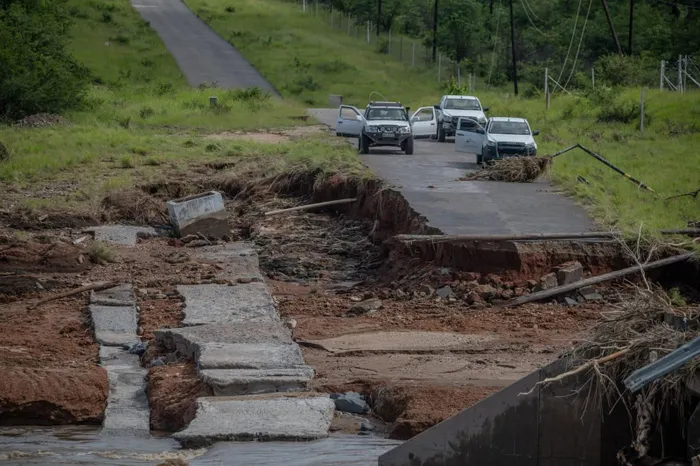
Logistical difficulties have hampered relief efforts, primarily due to widespread destruction of both national and provincial road infrastructure.
Image: Gift of the Givers
THE Limpopo government says about R4 billion will be needed to repair the damage caused by devastating floods that have also claimed the lives of nine people.
The damage includes critical damage to several national roads, including the R527, R40, R71, R36, R578, R526, R529, and R524, as well as district and local municipality roads. The floods have also resulted in several schools being closed.
Humanitarian aid organisation Gift of the Givers has also announced that it will expand its relief efforts after severe flooding left over 1600 homes damaged, with many destroyed or submerged.
“Relief operations have been logistically challenging, with extensive damage to both national and provincial road infrastructure,” said the organisation’s Ali Sablay.
He said their teams deployed in Phalaborwa have already assisted 1000 flood-affected residents with instant cooked meals.
“Additional resources and teams have been mobilised from Mpumalanga, where Gift of the Givers previously assisted 800 households across four districts impacted by flooding.
“Over the next few days, humanitarian assistance will be extended to communities in Phalaborwa, Giyani, Vhembe, and Sekhukhune.”
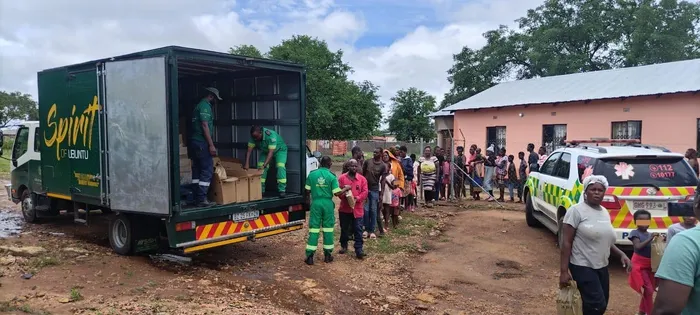
Gift of the Givers is on the ground, providing essential support to flood-affected communities in Limpopo.
Image: Gift of the Givers
The organisation has expressed its appreciation to the key individuals and teams whose dedication ensured the safe and timely delivery of aid including the Governance and Traditional Affairs MEC Speed Katishi Mashilo, Mpumalanga provincial and local disaster management teams, and Limpopo Police Commissioner Lieutenant General Thembi Hadebe for coordinating dedicated support and security escorts.
“Their assistance has ensured the safe and smooth distribution of aid to communities that had been cut off for more than three days,” Sablay said.
He added that due to the destruction or contamination of several water treatment plants from flooding, urgent appeals for assistance, specifically for bottled water, are ongoing.
Meanwhile, United Nations Resident Coordinator in South Africa Nelson Muffuh said: “The floods have brought immense grief and disruption, and the shared task is clear: protect people now and rebuild smarter. Coordinated efforts are crucial as the government, communities and partners work to restore services, safeguard livelihoods, and protect ecosystems under strain, so recovery strengthens resilience to future climate‑related extremes.”
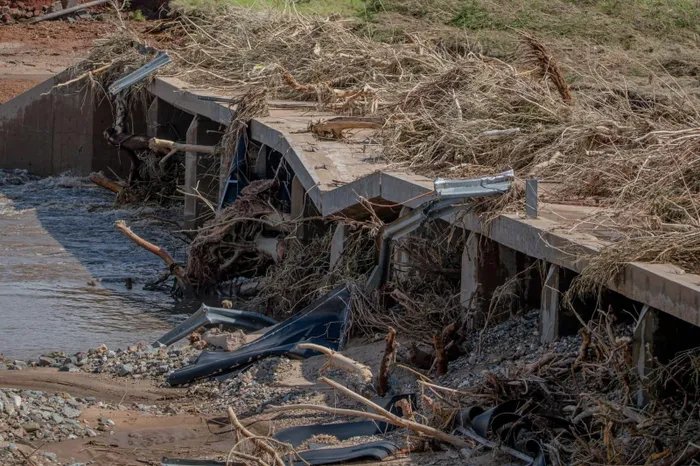
Damaged road infrastructure has hampered relief efforts.
Image: Gift of the Givers
Unicef South Africa representative Johannes Wedenig said their thoughts were with children and communities in parts of Limpopo affected by floods.
“When homes, schools and water and road systems are affected, children often carry the heaviest burden,” Wedenig said.
“#ForEveryChild, climate action is climate justice, and it starts with protecting children and the communities they live in. We owe it to every child in Limpopo, and beyond, to safeguard their futures.”
The South African Human Rights Commission (SAHRC) expressed concern about the persistent disruptive rainfall and flooding affecting parts of Limpopo and Mpumalanga.
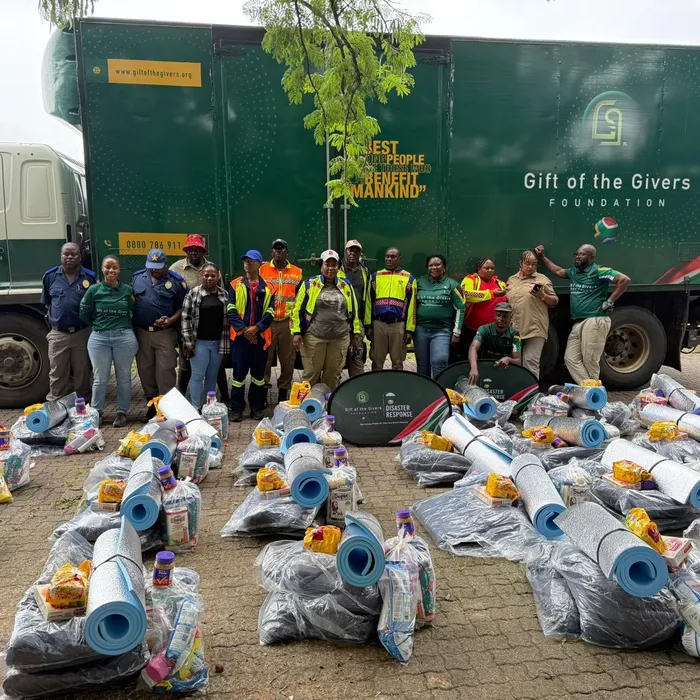
Gift of the Givers stands strong in the face of adversity, delivering hope and aid to those in need.
Image: Gift of the Givers
The SAHRC said shelters must ensure minimum safety and dignity standards, including clean water, sanitation, adequate food, sufficient lighting, privacy, and security.
They must be gender-sensitive, responsive to vulnerable groups (children, older persons, and persons with disabilities), and implement measures to prevent violence, exploitation, and gender-based violence.
The SAHRC called for the immediate repair of essential infrastructure, restoration of basic services, and prioritisation of key access routes for relief efforts. It urged authorities to ensure continuity of basic education, including alternative learning and psychosocial support. It also stressed the need to enhance early warning systems and disaster preparedness.
“The SAHRC welcomes public commitments that disaster-related funding and relief resources will be properly accounted for,” the SAHRC added.
Cape Times