

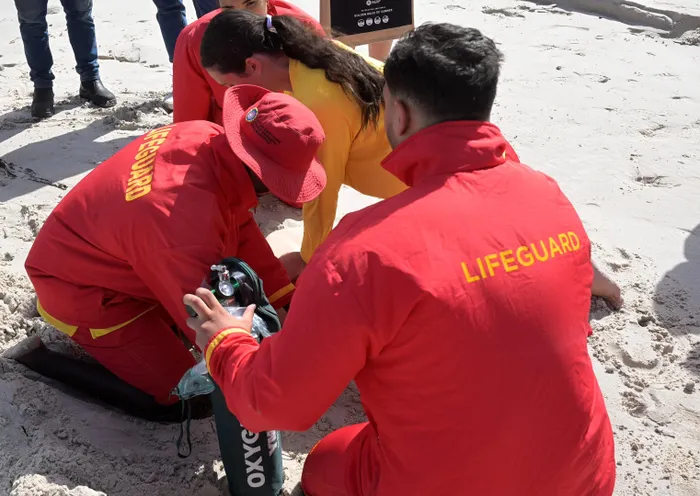
Beachgoers have been cautioned to swim only at patrolled, lifeguarded beaches and strictly within designated swimming zones.
Image: Supplied
Lifesaving South Africa is urging beachgoers to avoid unpatrolled beaches as January - a peak risk period ahead of the back-to-school rush - draws to a close.
Since October 2025, the City of Cape Town confirmed five fatal drownings and 23 non-fatal drownings at Cape Town’s beaches.
The fatal drownings took place at Noordhoek beach, Cape Town Harbour, Sea Point, Fish Hoek and Strand. The non-fatal drowning incidents occurred along the False Bay coast, including four at Strand, four at Clovelly and three at Fish Hoek.
More than half of the incidents involved children between the ages of six and 17.
The first two days of January proved especially deadly, starting with the widely reported mass drowning at Pennington Beach on KwaZulu-Natal’s south coast. Authorities have since confirmed that human remains were recovered at the beach, where three bathers went missing on New Year’s Day. This was followed by reports of missing bathers at beaches in Ballito, Blue Water Bay in Gqeberha, Wedge Beach, South Beach and Country Club Beach in Durban, St Lucia’s Jabula Beach, and most recently at Banana Beach, where a fisherman is still missing.
Mayoral committee member for Community Services and Health, Councillor Francine Higham said the statistics were a stark reminder to approach the coastline with care and consideration.
“I want to commend each and every person who has had a hand in our festive season operations, from staff members to beachgoers and parents. Your support of our drowning prevention and child safety initiatives is a key reason why we have experienced one of our safest seasons yet.
“That said, summer is not over – in fact, we are expecting another bumper beach weekend as the holiday season winds down, so I encourage and remind everyone to continue keeping safety top of mind, and to use the resources that we have made available in support of public safety," Hingham said.
Lifesaving South Africa urged all parents, caregivers, and beachgoers to remain alert and to make safety a priority so that preventable tragedies do not continue to mar the 2026 holiday season.
“Despite the exceptionally large numbers of beachgoers across the country during the holiday period, Lifesaving South Africa notes that very few drownings occurred during official lifeguard duty hours. This underscores the critical importance of only swimming at patrolled, lifeguarded beaches and strictly within designated swimming zones. Members of the public are strongly cautioned against entering the water at non-patrolled beaches or outside of lifesavers’ duty hours. As January remains a high-risk period, Lifesaving South Africa reiterates its water safety advisory, particularly concerning children. While many parents return to work and schools and universities have yet to reopen, supervision of children on holiday becomes increasingly important. The hot weather often encourages children to play in and around water, increasing the risk of accidental drowning,” the lifeguard body said.
Lifesaving South Africa advised parents and caregivers to follow these essential safety measures:
Cape Times