

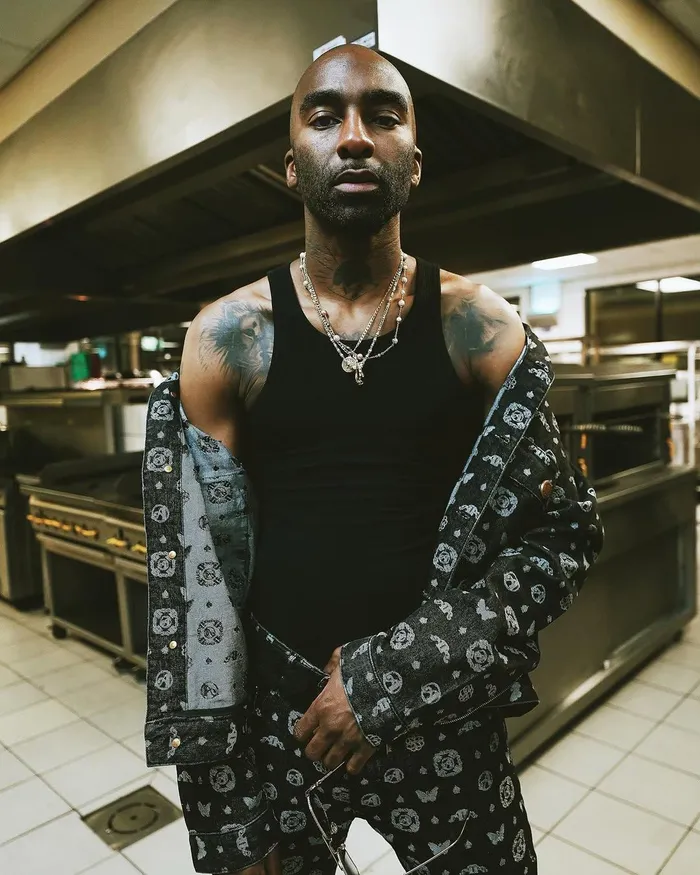
The legacy of Riky Rick extends far beyond his music.
Image: Young Stilo
Four years after his passing on February 23, 2022, the legacy of Riky Rick continues to shape South African music, fashion and conversations around mental health.
On the fourth anniversary of his death, fans, friends and family gathered online under the banner “We Never Die, We Multiply”, a phrase that has become both tribute and testimony.
Born Rikhado Makhado, Rick was more than a chart-topping artist.
He was a connector of people and ideas, a believer in youth culture and a voice that spoke openly about vulnerability. Four years on, that voice still echoes.
His mother, Louisa Zondo, led commemorations with a message that captured the ache of loss and the depth of love.
“We miss you so much, MaRiky. Rest, son,” she wrote on social media.
The Riky Rick Foundation for the Promotion of Artivism also marked the anniversary with a detailed reflection on his life and work.
“Today marks four years since Rikhado Riky Rick Makhado’s passing on February 23, 2022. With deep love, Riky is remembered and dearly missed."
"His love for family, the culture, creativity and the arts overall has left an indelible mark in our hearts, and so has his commitment to supporting and caring for the well-being of young people specifically and all of life.”
The foundation was established in 2022, inspired by what it has described as his courage and his belief that creativity heals and unites. Since its formation, it has driven a global artivism movement that brings together artists and activists.
Two international gatherings have connected creatives from nearly 90 countries. Young artists have been supported and amplified. Culture has been positioned as a force for justice and regeneration.
“As a creative, Riky touched heart, body and soul because culture and the arts are an immensely powerful spark for change,” the foundation said.
“Four years on, we recommit ourselves to Riky’s vision of love. May we continue to build a world where young people are valued, where mental health and wellbeing are at the centre, and creativity, vulnerability and culture become catalysts for courage, strength and justice. Stay Shining. We Never Die, We Multiply.”
In 2026, that mission continues through projects such as AmaGroove, a songwriting residency bringing together South African and Danish creators.
The programme is curated by artists, including Msaki, and it aims to foster collaboration across borders. The foundation’s Words That Heal campaign also remains active, using pop-up activations and digital storytelling to reduce stigma around mental health.
Rick’s music continues to resonate.
The 2025 posthumous release of his final album, “Boss Zonke Forever”, was described by fans as a bittersweet body of work that reflects his creative journey. For many, it felt like a final conversation, one that balanced ambition with honesty.
Across the industry, emerging artists still cite his mentorship and belief in young talent as pivotal. He made space for newcomers on stages and playlists, often declaring that the future of the culture depended on those coming after him.
Yet his legacy has also evolved. Cotton Fest, the festival that he founded to platform youth culture, will not return this year. Organisers confirmed last December that the event had officially concluded due to shareholder disagreements about its long-term direction.
For supporters, the end of the festival marked the closing of a chapter, but not the end of the movement that it sparked.
On the fourth anniversary of his passing, the foundation, in partnership with the Rustlers Valley Foundation NPC and the Naledi Village Communal Property Association, announced the establishment of the Riky Rick and Anton Chaka memorial forest at Rustlers Valley Farm in the Eastern Free State.
“Riky believed deeply in healing, even when he was struggling himself,” said his brother Sheikani Makhado.
“Riky always wanted young people to feel seen, heard and valued. The dream of this forest represents the kind of space that he would have loved, a place where creativity, reflection and nature come together. It’s a reminder that growth is possible, even after loss.”
Zondo described the forest as an action rooted in memory.
“This forest is a living expression of Riky’s heart. He asked difficult questions about injustice, about inequality, about the future of humanity, especially young people."
"Planting trees in his name is about remembering him in action, continuing the work of healing, empowering and restoring the good we may have lost or be losing. We see it as planting dignity, hope and courage for the next generation.”
The memorial forest will feature curated walking trails, meditation spaces, indigenous tree avenues and community orchards.
Visitors will be able to plant trees, receive digital updates on their growth and contribute to the sustainability of Naledi Village.
The official launch is set for July 17 to 20 at Rustlers Valley Regenerative Farm in Ficksburg.