
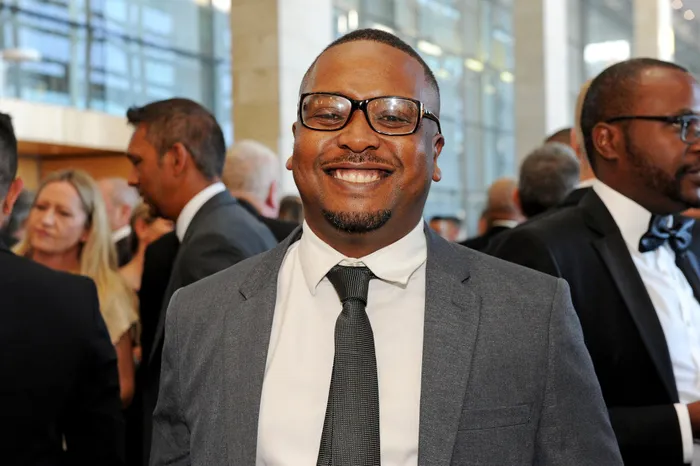
Ayanda Mdluli is the editor of the Daily News.
Image: Picture: David Ritchie/ Independent Newspapers
In a move that has caused untold despair and destabilisation of the relatively peaceful global south nation, the United States recently embarked on a controversial operation that saw the capture of Venezuelan President Nicolás Maduro.
The event, unfolding in the last 48 hours, has stirred an international uproar, signalling a dangerous precedent in global diplomacy and power dynamics.
Let us picture this for a second: You lie peacefully in your home, your only concern, a mundane day ahead. Suddenly, your door is kicked in, and intruders haul you from your bedroom, dragging you out in your pyjamas, mercilessly assaulting you before your family, handcuffed and thrown into the boot of a truck, whisked away to a foreign land without so much as a hint of consent.
This heinous scenario captures the essence of what happened when U.S. forces entered Venezuela, capturing Maduro and his wife, and transporting them to an uncertain fate in the United States.
Donald Trump’s post on Truth Social confirming the operation, along with an indictment by the U.S. Attorney General, has fairytale elements to it, yet stark realities underpin this unfolding drama.
Accompanying Trump’s proclamation was a press conference, during which he boasted of the U.S. military’s unassailable strength, asserting that Venezuela was now effectively under direct U.S. colonial rule until a compliant leader emerges.
His words resonate with chilling finality: in a world ruled by power, some nations bend the knee while others dictate terms.
Venezuela sits atop the world’s largest proven oil reserves, making it a lucrative target for a nation that has historically benefited from such resources. Trump hinted in his address that the plan included a comprehensive reconstruction of Venezuela's collapsing oil infrastructure with the involvement of U.S. oil giants, a pointed reminder of the tension between the U.S. and Venezuela that dates back to Hugo Chavez’s nationalisation of oil resources nearly three decades ago.
Also in the press conference, Trump effectively announced the annexation of Venezuela by stating that the US is going to "run" the country going forward. As the U.S. faces rising challenges to its dominance, including de-dollarisation efforts led by nations like China, the stakes have substantially escalated.
Venezuela's flirtation with the petroyuan, as early as 2017, has resulted in the U.S. feeling compelled to reassert its control with military force.
What this means for the fabric of international relations remains to be seen. In the wake of these developments, nations beyond the shores of the American mainland must brace themselves for potential repercussions.
South Africa, in particular, must not simply condemn these actions through perfunctory statements but should take decisive measures to fortify its military amidst the spectre of U.S. aggression.
The recent insinuations and narratives propagated by Trump’s administration, including unfounded claims of ‘white genocide’, serve as stark reminders that the rhetoric of division is alive and well.
Now, more than ever, South Africa's leadership must commence strategic planning as President Cyril Ramaphosa can no longer afford to govern with complacency.
The rise of secessionist sentiments in regions like the Western Cape only adds another layer of complexity to an already precarious socio-political climate.
As the implications of global power shifts come to fruition, it is imperative that South Africa fortifies itself against incursions, whether real or rhetorical, engineered by formidable actors in the international arena.
DAILY NEWS