

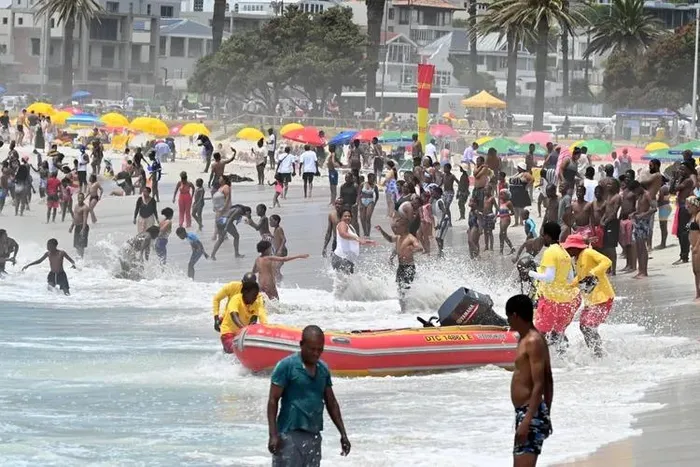
Beachgoers crowd Camps Bay Beach on a busy summer’s day, as lifeguards monitor conditions along one of Cape Town’s most popular stretches of coastline.
Image: Ayanda Ndamane/ Independent Newspapers
Cape Town’s coastline does not reveal itself all at once. It unfolds gradually, beach by beach, each stretch of sand shaped by its setting, its regulars and the pace of the day. Some places reward early starts, others linger into the evening. Taken together, these eight beaches offer different reasons to arrive, stay a while, and return again.
At Camps Bay Beach, the pull is energetic. Framed by mountains and edged by a busy promenade, the beach feels inseparable from the city around it. Walkers drift past cafés, swimmers brace themselves for the cold Atlantic water, and visitors settle in to watch the light shift as the sun drops. It works equally well for short visits or long afternoons, offering constant movement without feeling rushed.
A short distance away, Clifton 4th Beach offers a more contained experience. Sheltered by granite boulders, it is often calmer than neighbouring coves. Space is limited and access requires a commitment down steep stairways, but the reward is a sense of separation from the bustle above. Timing matters here: arrive early and the beach feels quiet and protected, despite its popularity.
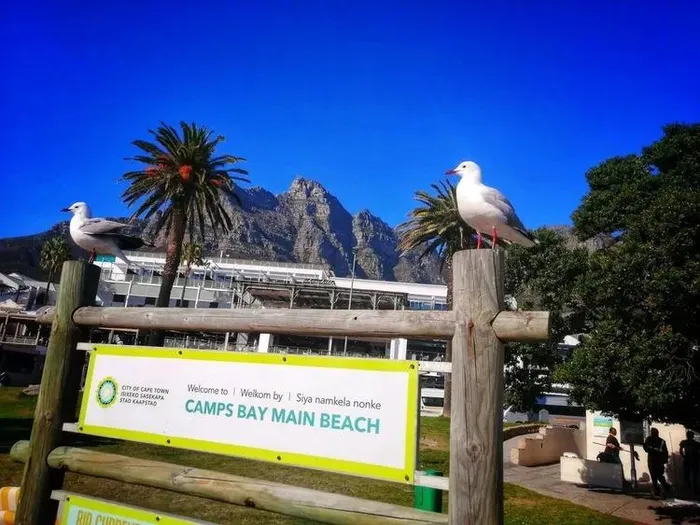
A view of Camps Bay Beach, with Table Mountain rising behind the promenade, one of Cape Town’s most recognisable and frequently visited seaside destinations.
Image: Murray Swart
Further along the coast, Llandudno Beach feels deliberately distant. Minimal development and strong surf shape a beach where the landscape takes priority over convenience. Waves dominate the soundscape, and visitors tend to watch conditions rather than control the day. It’s a place for photographers, surfers and those who prefer the coast in its rawer form.
On the False Bay side, Muizenberg Beach is defined by accessibility. The long shoreline absorbs walkers, swimmers, surf schools and families with ease. Warmer water and gentle waves invite beginners, while the line of colourful beach huts anchors the area in the city’s collective memory. It’s social without being overwhelming, and built for return visits.
Nearby, Fish Hoek Beach offers familiarity. The gently sloping shore and relatively calm water encourage longer swims and unhurried days. Many visitors arrive at the same time each day, following routines shaped by tides and light. The appeal lies in consistency rather than spectacle — a beach that quietly becomes part of daily life.
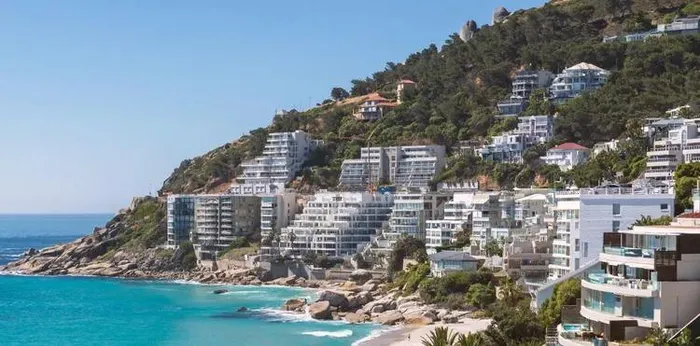
Apartment buildings overlook the sheltered coves of Clifton 4th Beach, one of Cape Town’s most sought-after stretches of Atlantic coastline.
Image: Supplied
Smaller and more sheltered, Bikini Beach has a neighbourhood feel. Protected from swell and offering warmer water, it suits easy swimming and spontaneous stops. Its compact size encourages shorter visits, but those visits tend to be frequent, especially among locals who value simplicity and convenience.
On the West Coast, Melkbosstrand Beach is defined by space. Long stretches of sand, steady wind and open views create a beach that invites movement rather than stillness. Walkers and kite surfers dominate, using the coastline dynamically instead of settling in one spot. It’s best experienced on foot, following the shoreline as it unfolds.
Further north, Silwerstroomstrand Beach offers room to breathe. With fewer crowds and expansive views, it suits picnics, slow walks and days without structure. The appeal is subtle and steady — a quiet reliability that rewards time rather than attention.
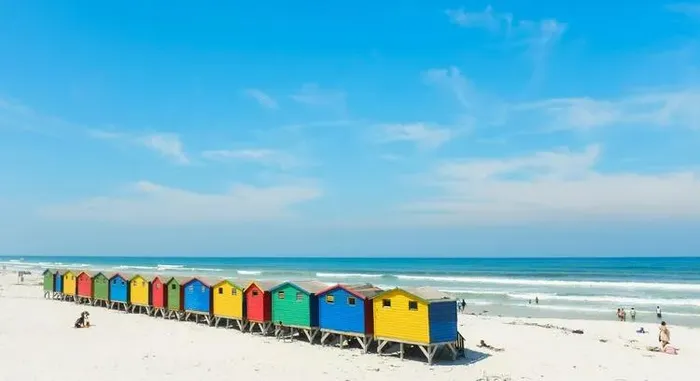
The iconic colourful beach huts line Muizenberg Beach, one of Cape Town’s most popular and accessible seaside destinations on the False Bay coast.
Image: Supplied
What links these beaches, beyond their individual character, is that each held Blue Flag status during the official season, meeting international standards for water quality, safety, environmental management and facilities. The designation is reviewed annually and requires ongoing monitoring — a largely unseen layer of work that supports the experiences visitors take for granted.
Cape Argus