

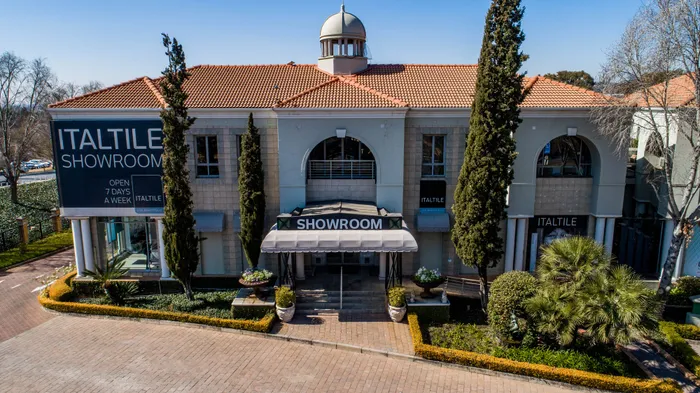
Italtile says new stores would continue to be rolled out, some stores revamped and capacity of the supply chain and manufacturing will continue to be enhanced. Picture: Supplied
Italtile will focus on factors under its control and mitigate risks as much as it can so that it can trade through the choppy macroeconomic and operational environment outlook for 2023, CEO Lance Foxcroft said yesterday.
The bathware, tiles and other home finishing products group yesterday released results for the year to June 30 where it did well to increase headline earnings a share to 152.1 cents from 140.1 cents, off the back of a very high earnings base in 2021 when home improvement boomed through the pandemic. The dividend increased to 61 cents from 56 cents.
Foxcroft said in a telephone interview yesterday that the outlook for discretionary consumer spending was cloudy because of the uncertain inflation and interest rate outlook.
He said consumer spending had shifted from home improvement to other recreational and discretionary purchases as pandemic-related restrictions were lifted and various sectors reopened. Lower customer footfall and a decline in demand was widespread across the construction industry.
Supply chain disruptions caused instability in supply and pricing for the group for much of the year, while significant increases in inflation in most markets drove up input and other operating costs, and reduced discretionary spend, he said.
The group’s retail brands across 211 stores are CTM, Italtile Retail, TopT and U-Light.
He said energy security and consumption would be top of mind for their management teams. “Global pricing uncertainties, capacity constraints and reducing our carbon footprint are all issues we will be focused on,” he said.
The group is one of the biggest gas users in the country, and subsequent to year end, it was still awaiting an announcement from Nersa and Sasol regarding a potentially large increase in pipeline gas prices – a big increase will likely impact the affordability of product as well as the group’s manufacturing margins.
Foxcroft said, for example, one initiative being explored for the medium term was bringing in a biogas partner to provide gas to its factories, while the introduction of solar energy at its stores and other energy savings measures were ongoing projects.
Ten new stores were opened in the past year and the revamp of 15 stores were advanced.
Some R800 million of capital expenditure included the commissioning of the upgraded Samca+ tile factory in Hammanskraal; a one-stop retail node in Boksburg, Gauteng, which showcases Italtile Retail, CTM and EasyLife Kitchens stores; construction of Betta Sanitaryware’s 17 000 pallet warehouse; and the construction of Ezee Tile’s new flagship factory in Gauteng.
Foxcroft said growth levers within management control included improving product ranges and retail disciplines, and training and development of staff and a strong management team.
New stores would continue to be rolled out, some stores revamped and capacity of the supply chain and manufacturing would continue to be enhanced, he said.
“On balance, we are satisfied the goals we identified at the end of the 2021 financial year have been accomplished; in line with our high-performance culture, we will continue to strive to outperform the targets we set for the year ahead.”
A decision to increase investment in critical stock and raw materials to mitigate against supply and pricing volatility had raised inventory levels in the short term, but was outweighed by positive customer response to stock availability in the stores.
Ceramic improved its offerings with new product from the upgraded Samca+ factory. In addition, the EcoTec tile ranges, which use fewer resources to produce, were launched at all of the factories.
BUSINESS REPORT